Dear Irina, could you briefly introduce yourself and tell us what Pe Stop is all about? What inspired you to start the organisation?
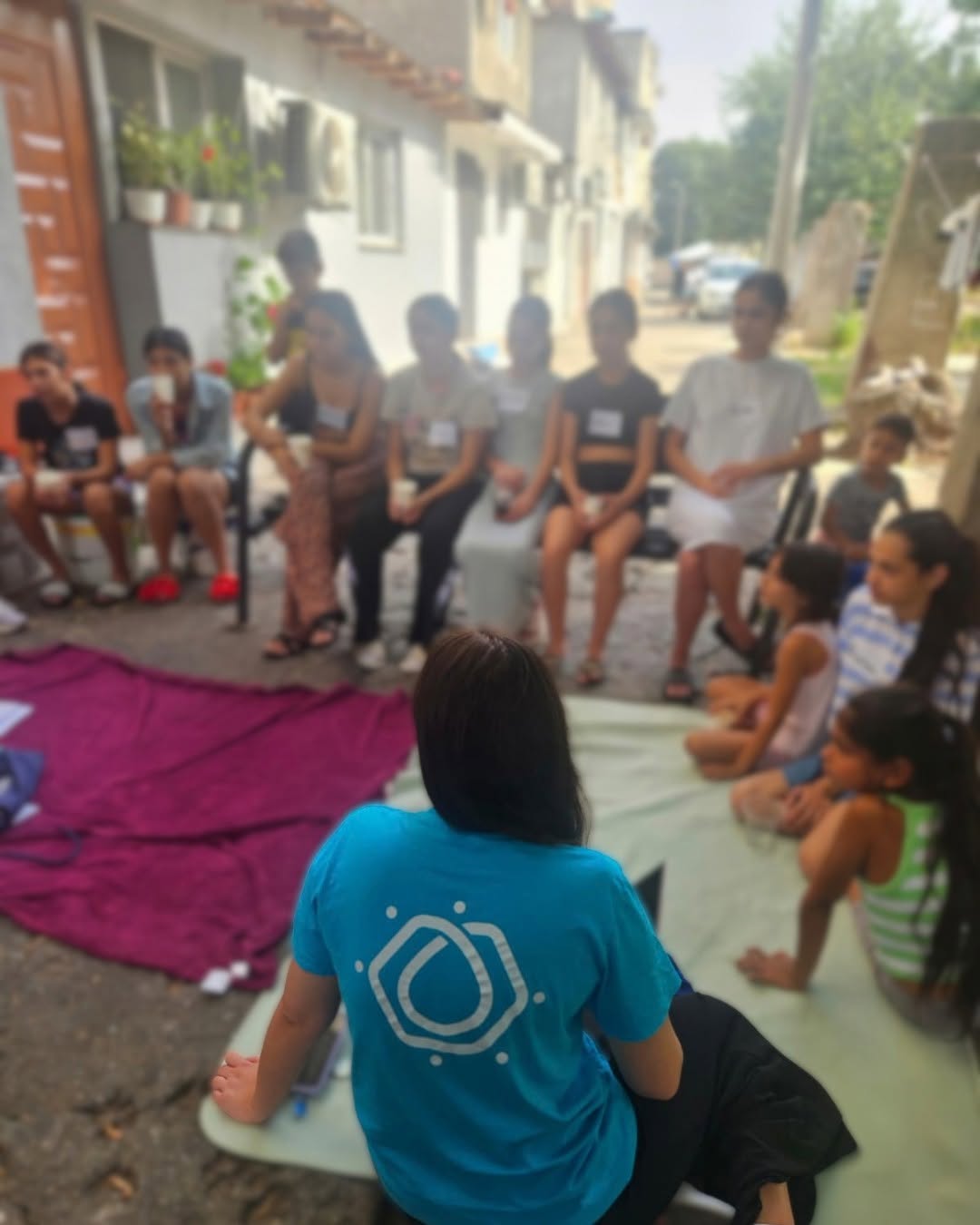
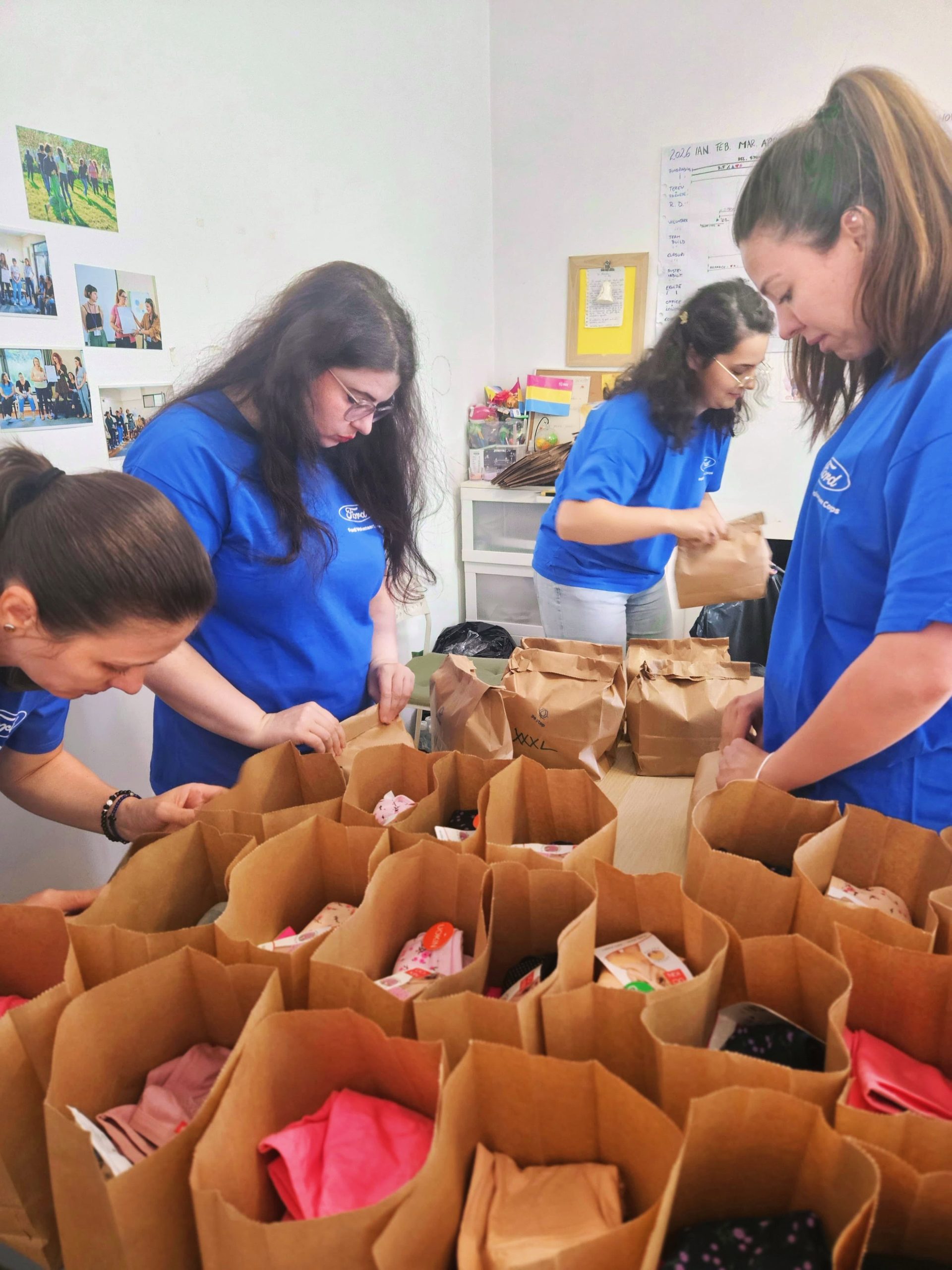
Pe Stop’s mission is to fight period poverty in Romania in a systemic manner – providing period care products to those who need and cannot afford them, organising classes about menstrual care and healthy relationships, as well as advocating for laws that make period care more affordable across the nation.
I am the organisation’s President and Co-Founder and I was inspired by a short film about a woman who was offering menstrual care products to homeless women in her small US town. After a little bit of research, I found out that at that moment there was no other organisation providing this kind of support on a monthly basis. During the first few months on the field, all of us in the team realised that the need was far greater than expected.
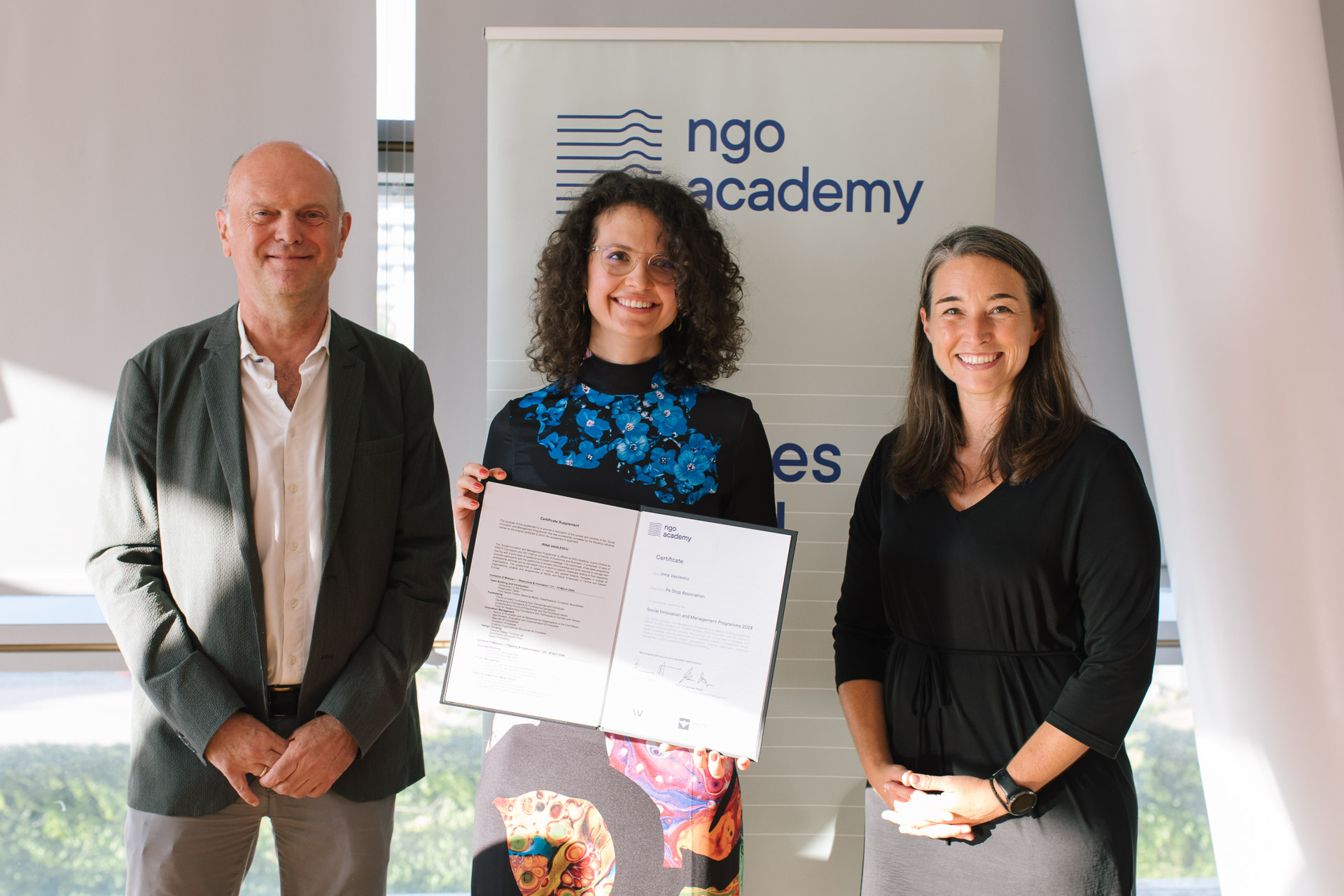
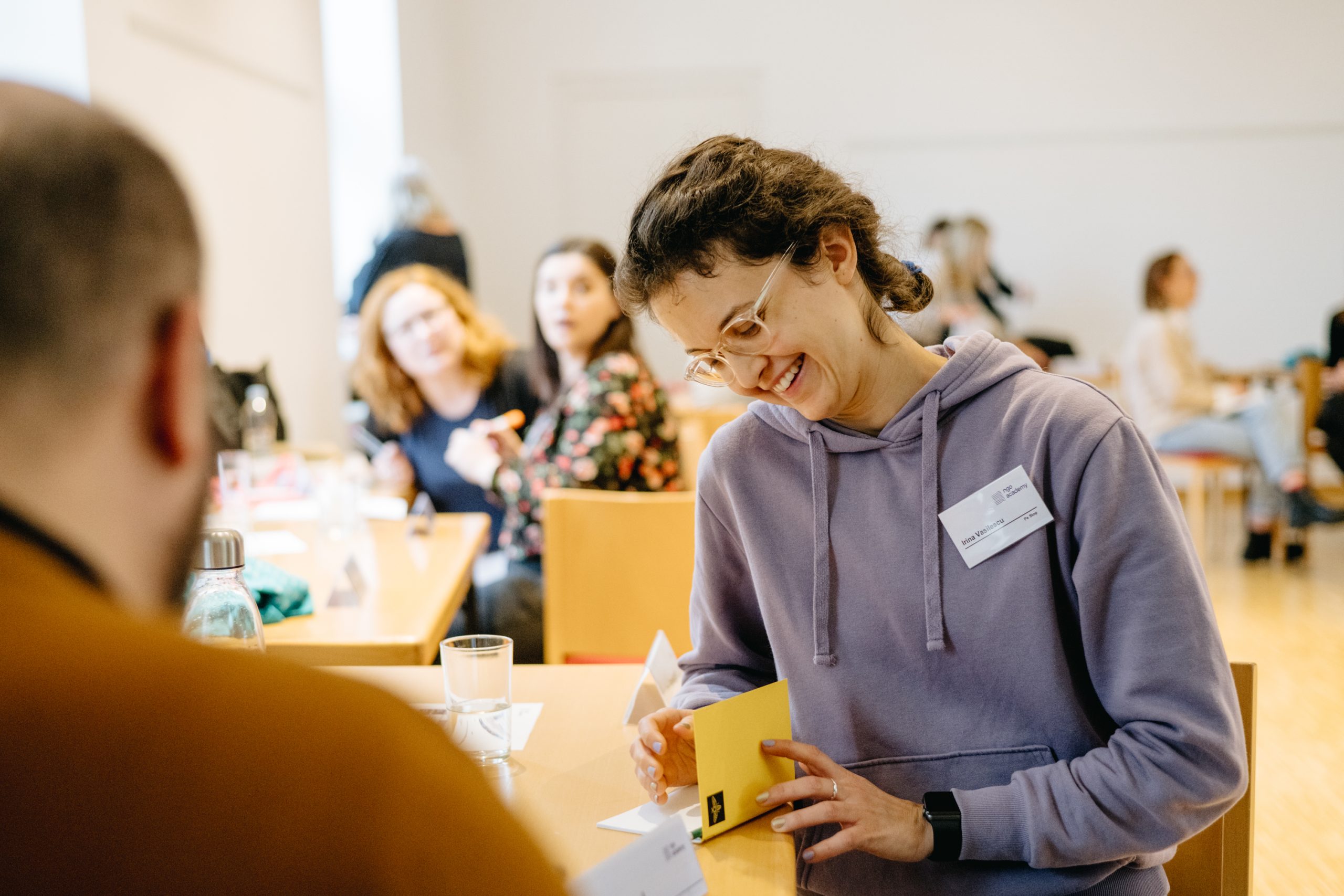
You participated in NGO Academy’s Social Innovation and Management Programme. How did the programme and the exchange with other NGO leaders contribute to your work?
My participation in SIMPro was crucial in developing the organisation’s strategy for the long run. The information I learned, working on the final project and the discussions with other participants were very useful in helping me see the bigger picture and recognise what was needed in order for our organisation to evolve.
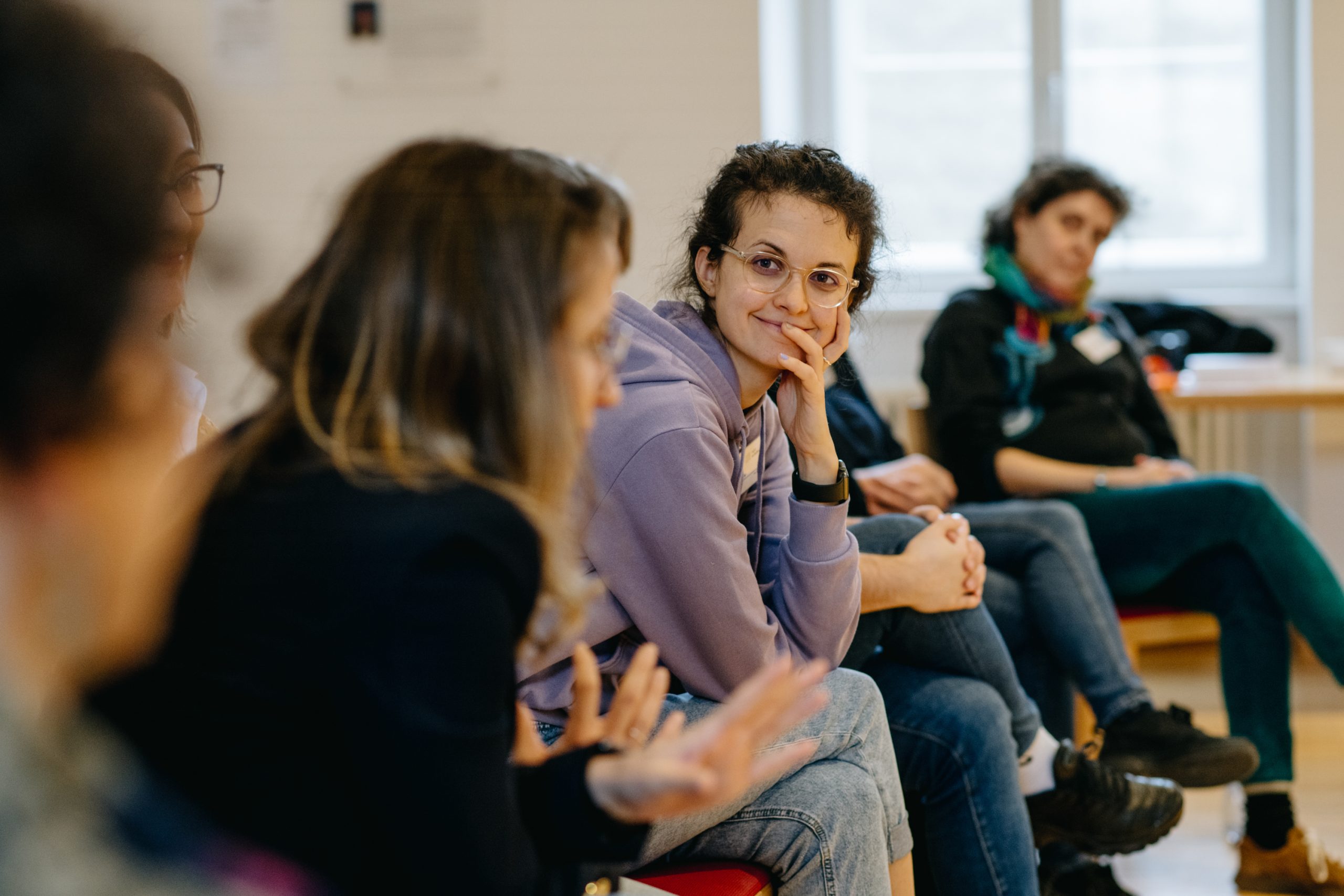
The programme and the exchange with other NGO leaders was extremely important! It helped me realise that many of us were facing similar issues, which was comforting, and I benefited from many alternative views about Pe Stop from the other leaders
What advice would you give to someone who wants to start a similar initiative in their own community?
I think the guiding principle behind Pe Stop is applicable to many other countries, but the details for implementation have to be very locally specific. Period poverty has different faces even in separate neighbourhoods of the same cities, let alone in different countries.
For starting, the requirements are simple: the will to make society more equitable for people who menstruate, one or two friends willing to volunteer with you and access to social media so you can raise a little bit of money – this was enough for us to start Pe Stop in 2018.
Also, I am always willing to share our experience and advise any individual or organisation who might be interested in starting this in their community.
Don’t wait to be prepared, just start doing it! Take steps and ask questions. There is no manual for this, but there is a lot of support available – you just need to look for it. Some things you may do wrong (we sure did), but as long as you are willing to learn and be better, you are likely to do a good job.
To wrap up, what is your message to the wider NGO Academy community?
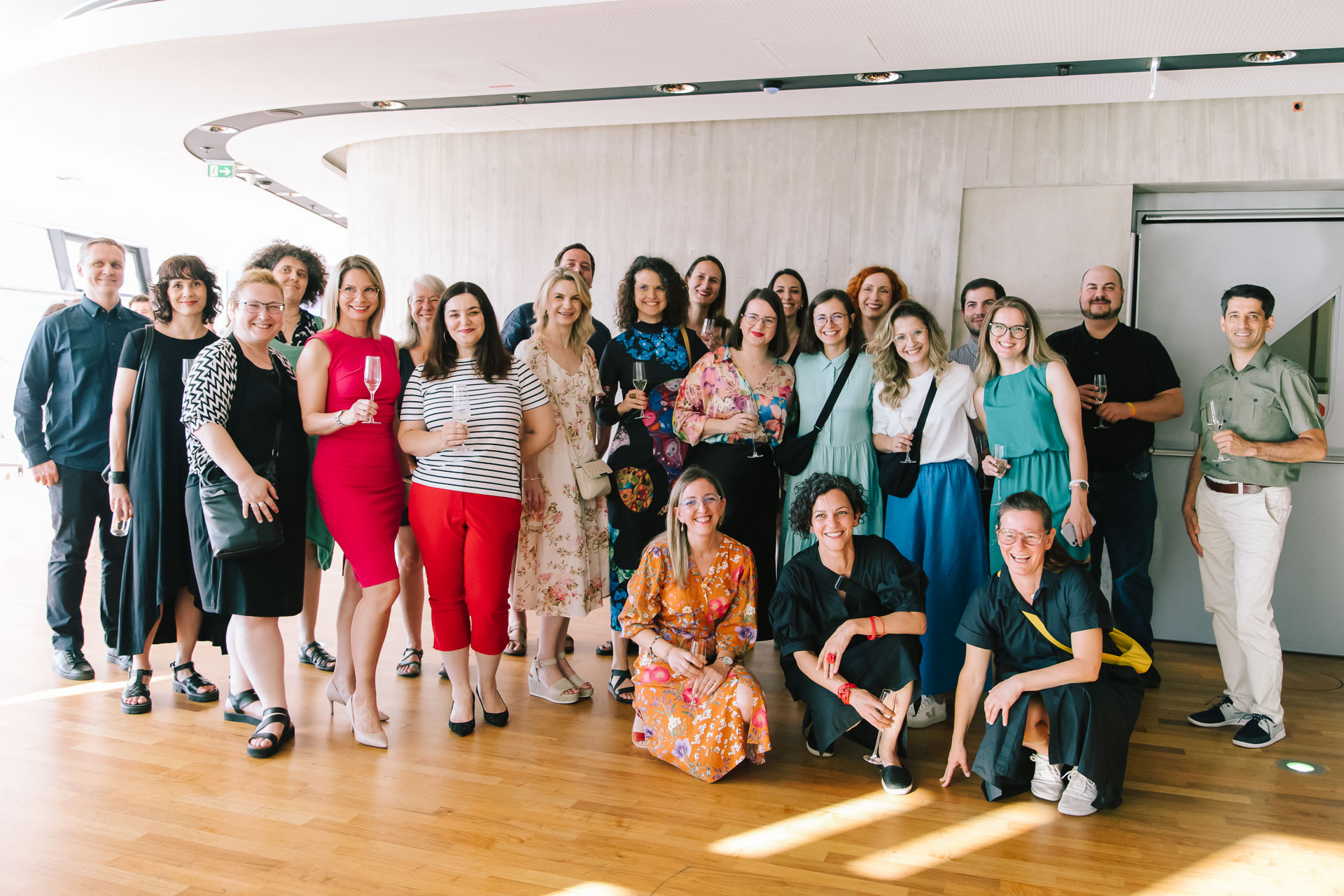
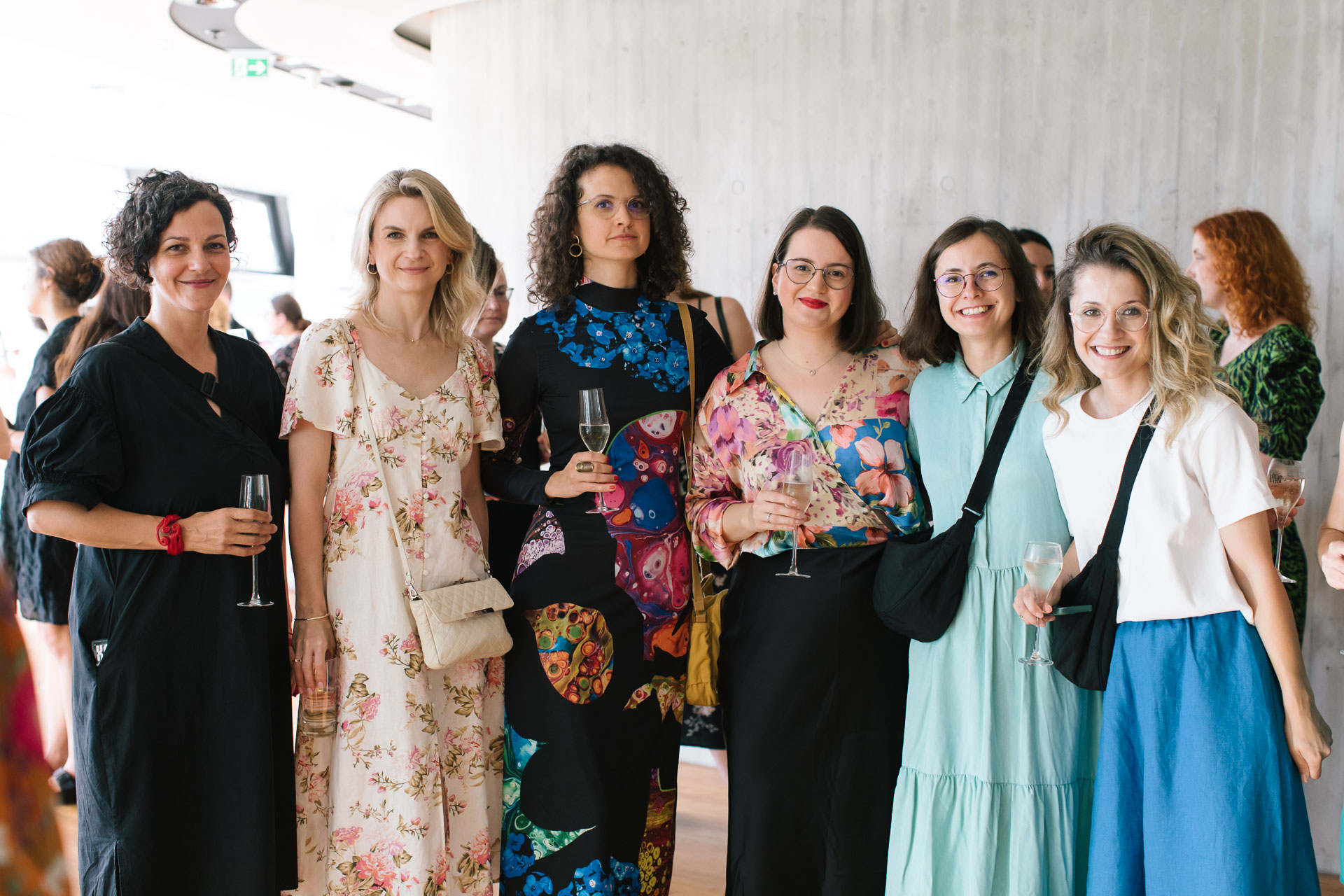
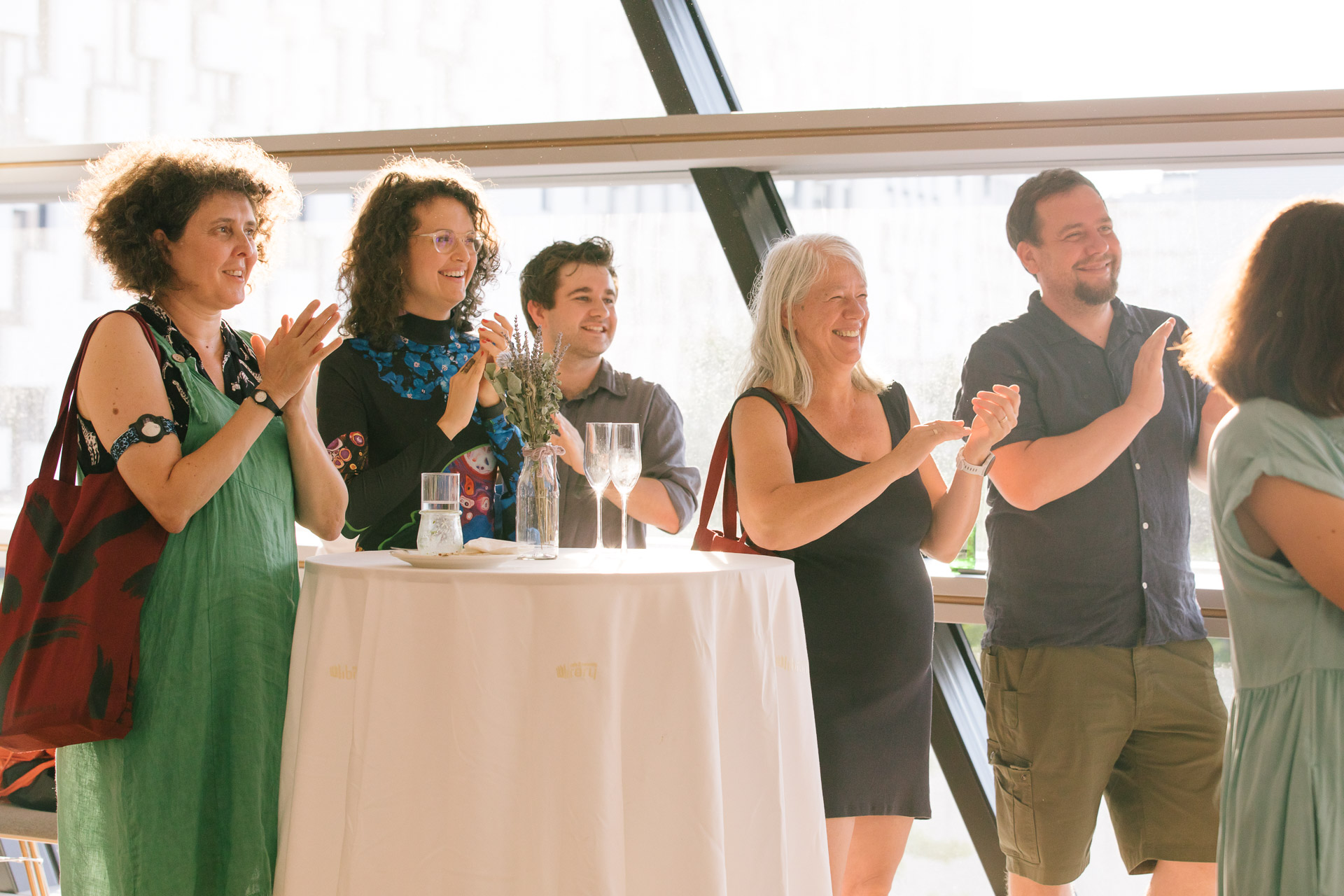
You are handpicked professionals who chose a hard life, because you believe that we all deserve a better world. I commend you for that, I am very proud of having met some of you and hope that you accomplish the change you set out to make!

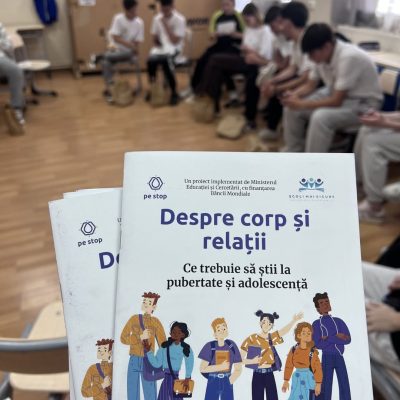 Information is a far more sustainable thing to offer, if you have the possibility. Of course, products are absolutely necessary and appreciated, but that means that the beneficiaries rely on us to provide them. In times of economic hardship, we might not be able to offer them as needed. Information, however, is something that nobody can take away from you, once you have learned it.