Service-Learning is more than a teaching methodology. It is an approach that connects academic learning with meaningful community engagement. Students do not simply learn about social issues in theory; they work alongside communities, apply their knowledge to real-world challenges, reflect on their experiences, and develop a deeper understanding of their role in society.
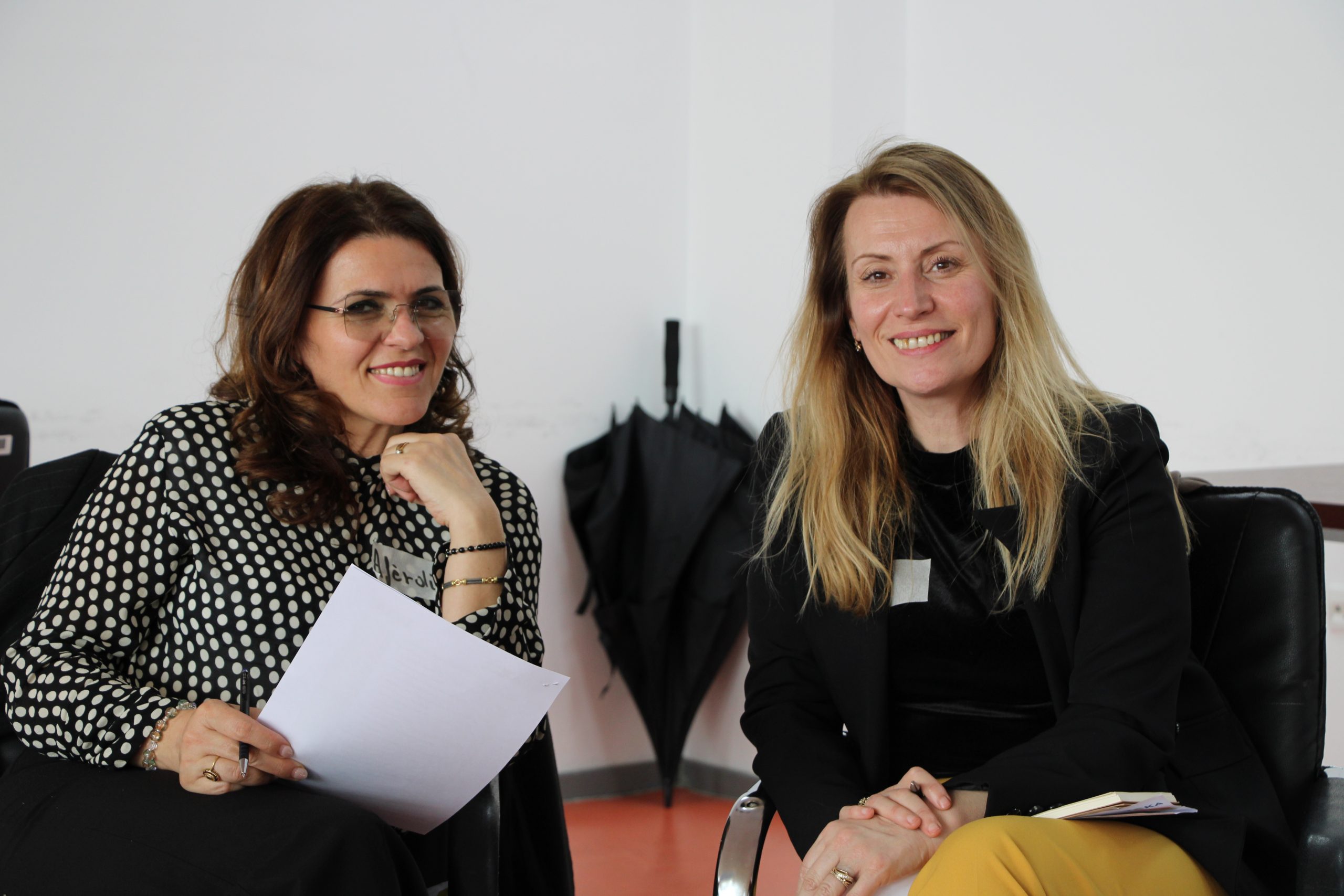
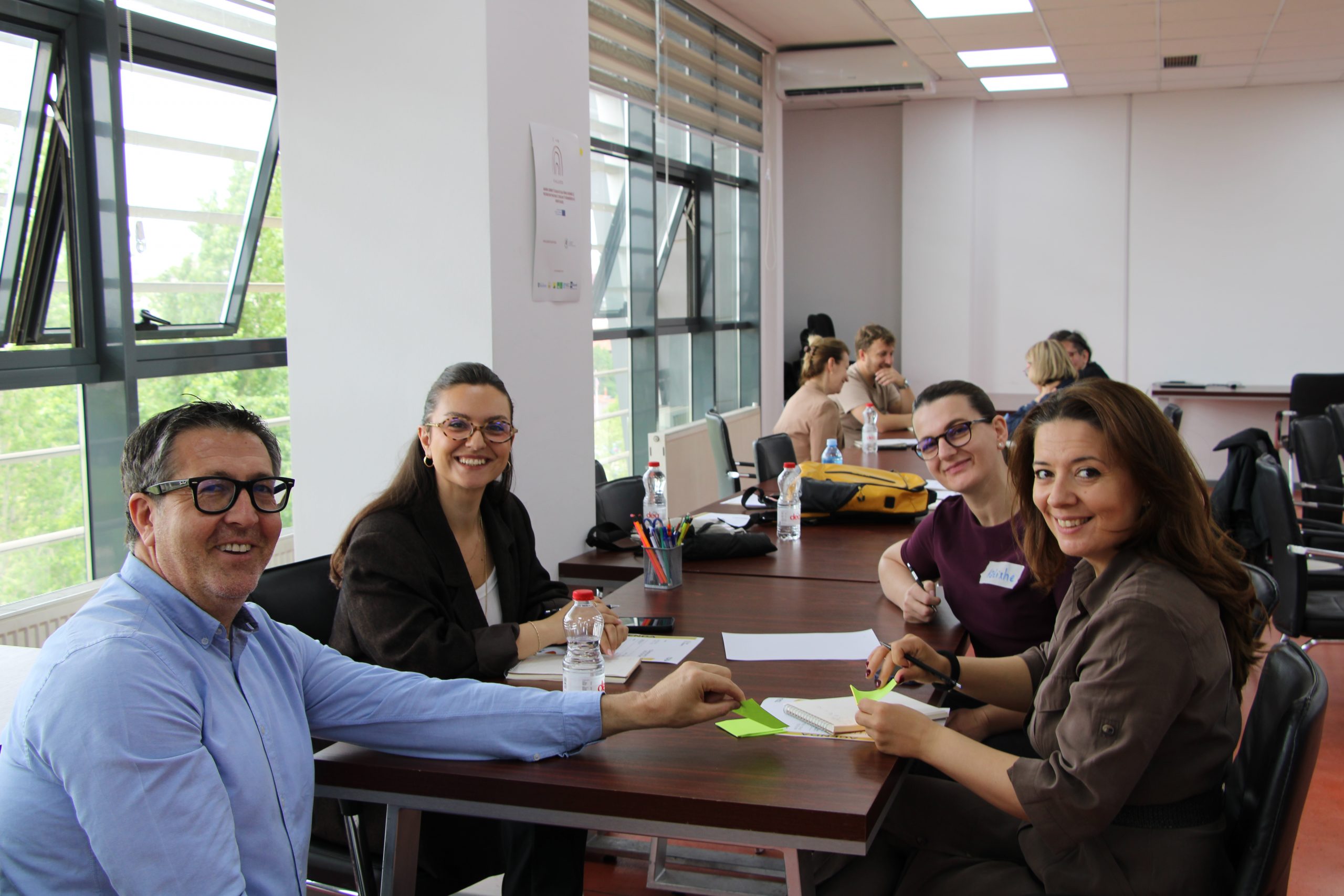
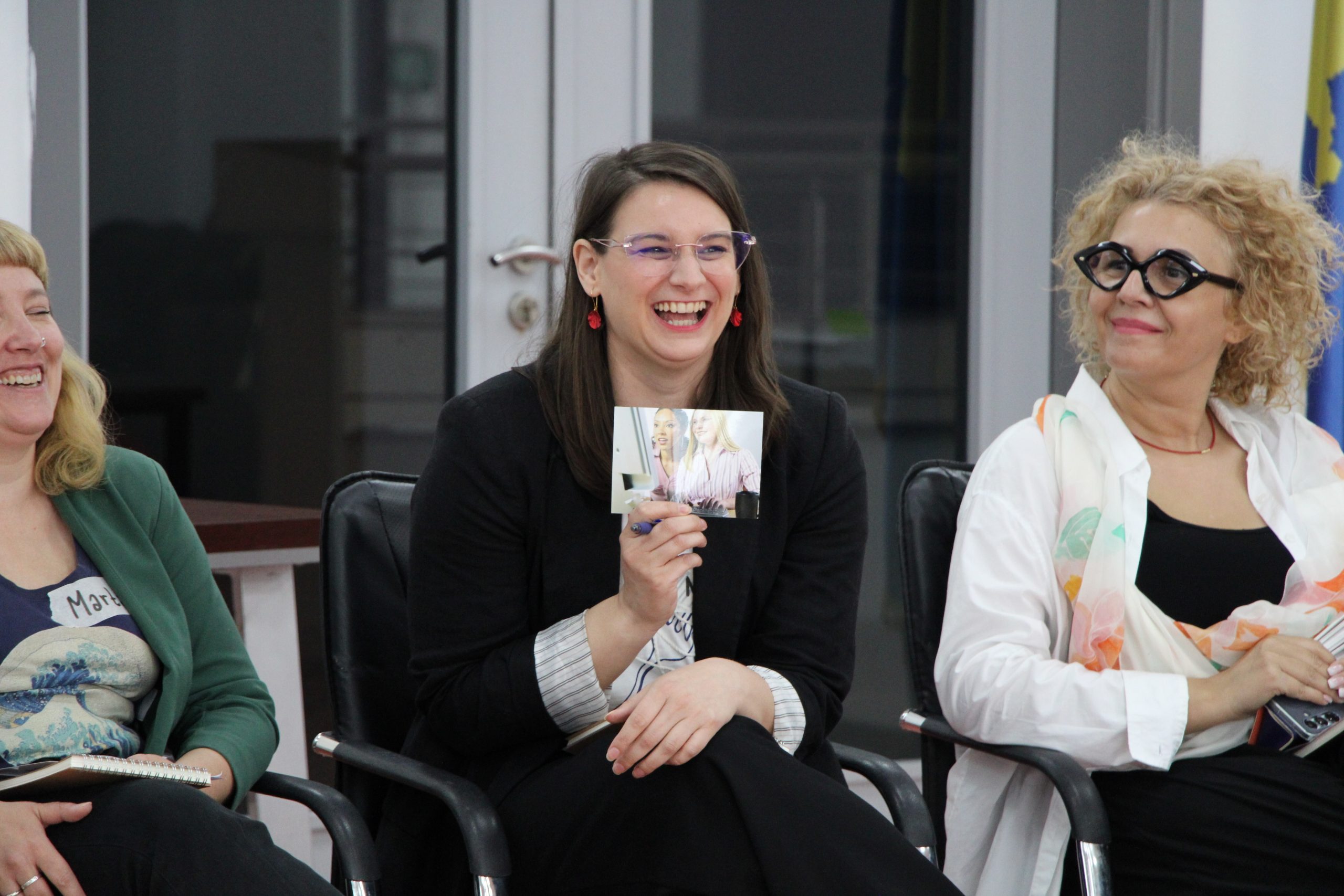
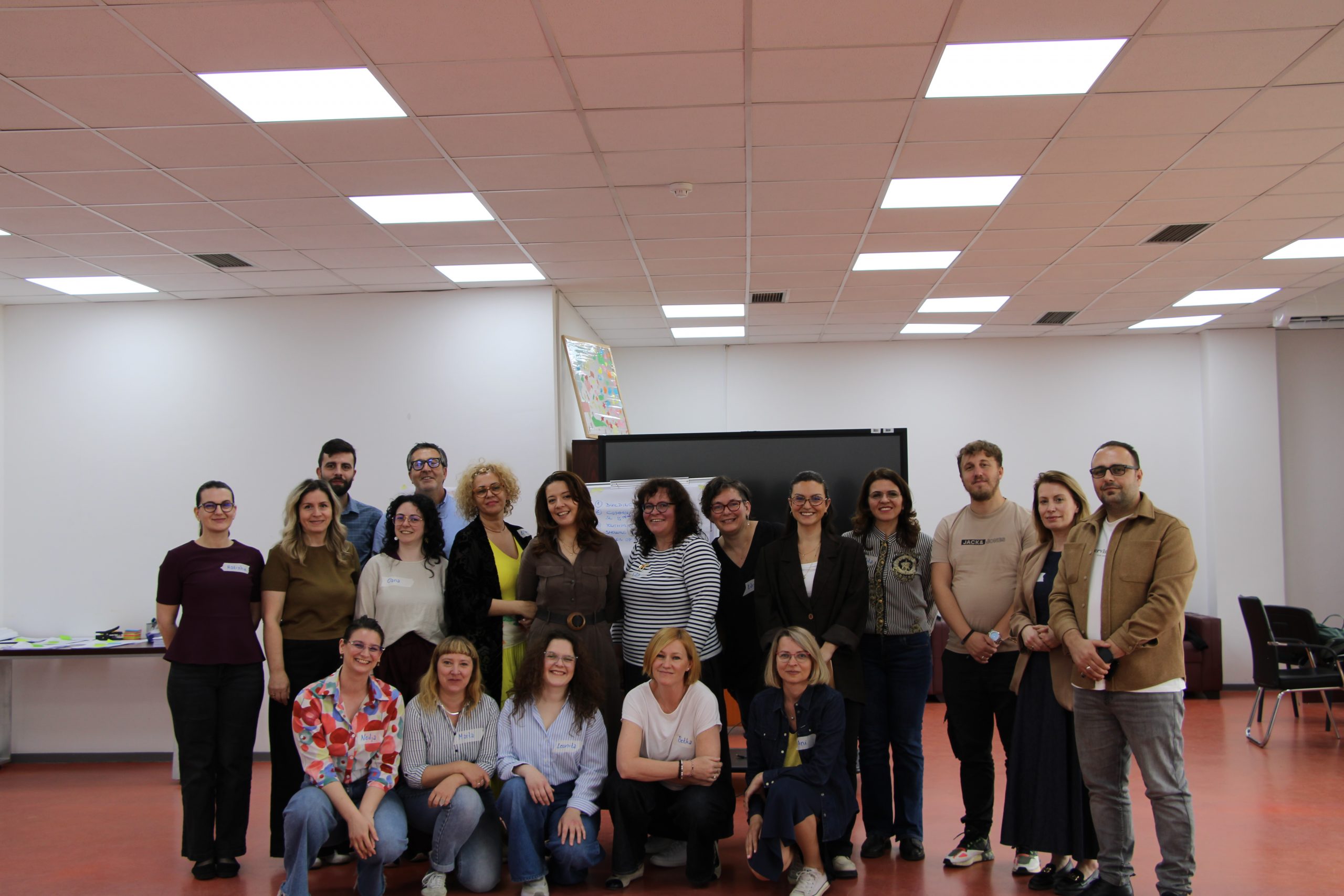
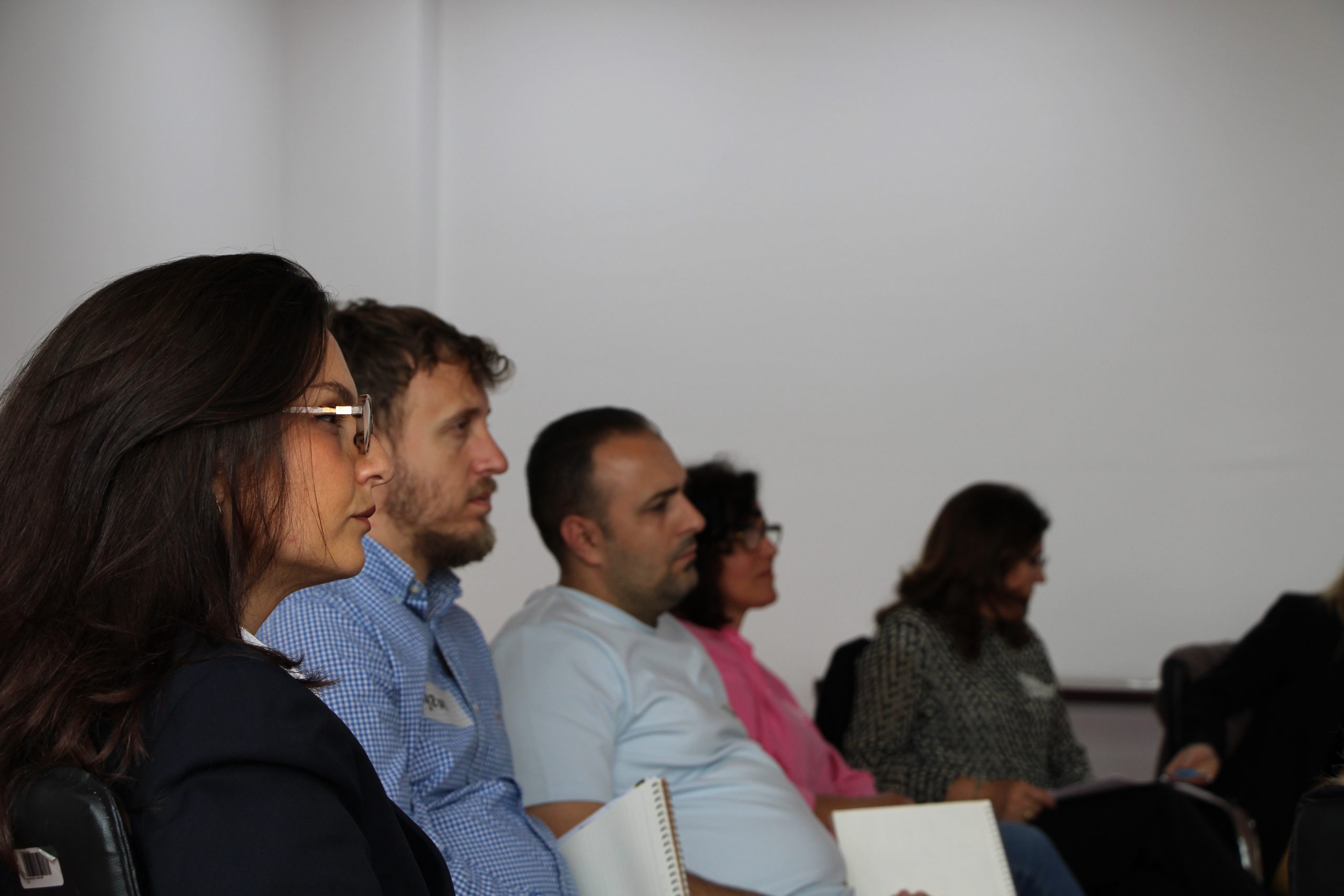
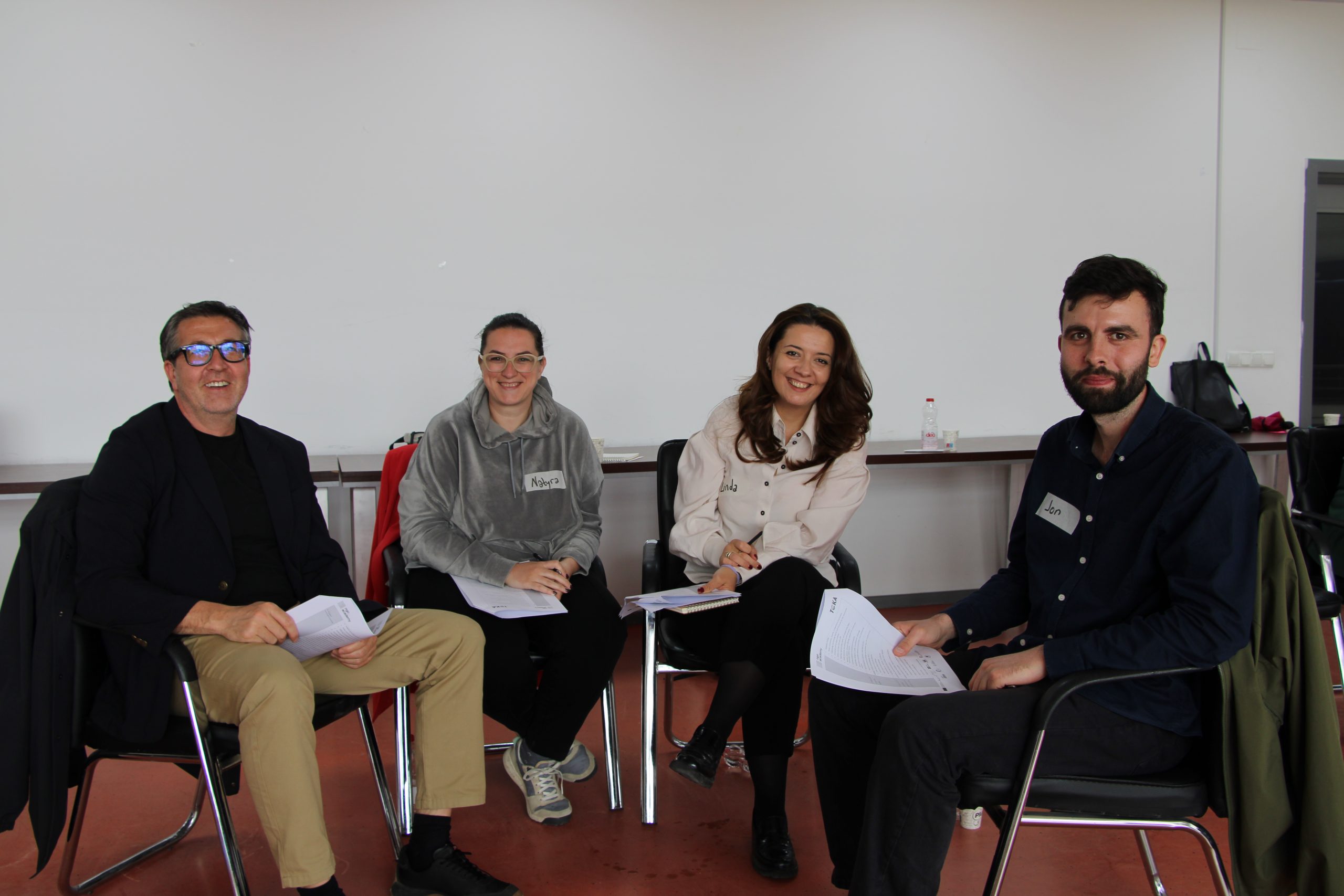
The workshop brought together participants with diverse levels of experience. While a few professors were already implementing Service-Learning in their courses, many were encountering the methodology for the first time. NGO representatives were largely familiar with Service-Learning in pre-university education and used the event as an opportunity to explore how they can support its implementation within higher education institutions.
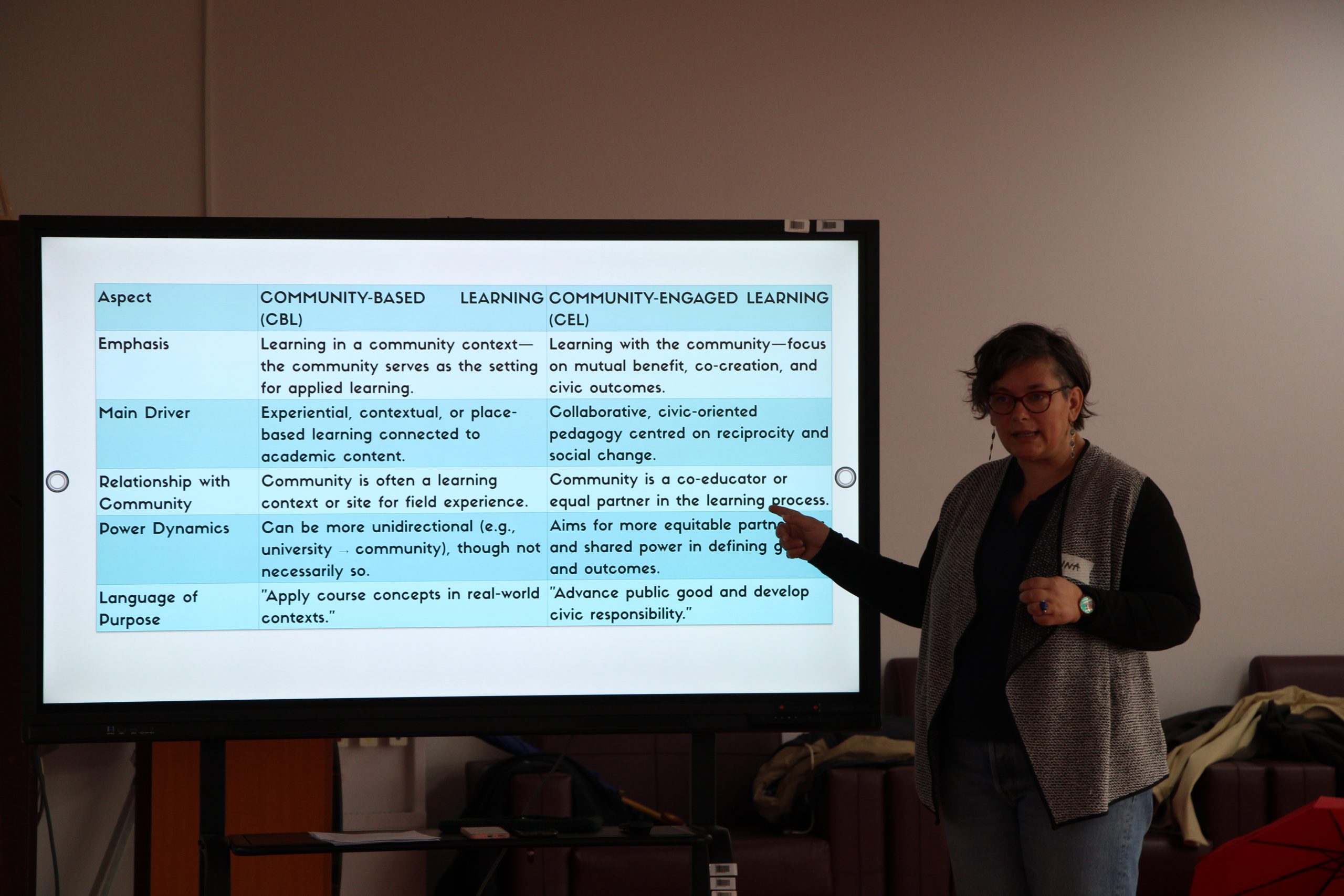
One of the central discussions focused on the importance of authentic partnerships between universities and community organizations. Effective Service-Learning cannot be based on the assumption that students automatically provide value to communities. Instead, meaningful engagement requires listening to community needs, recognizing the expertise of NGOs and community partners, and creating reciprocal relationships where all stakeholders contribute, learn, and benefit.
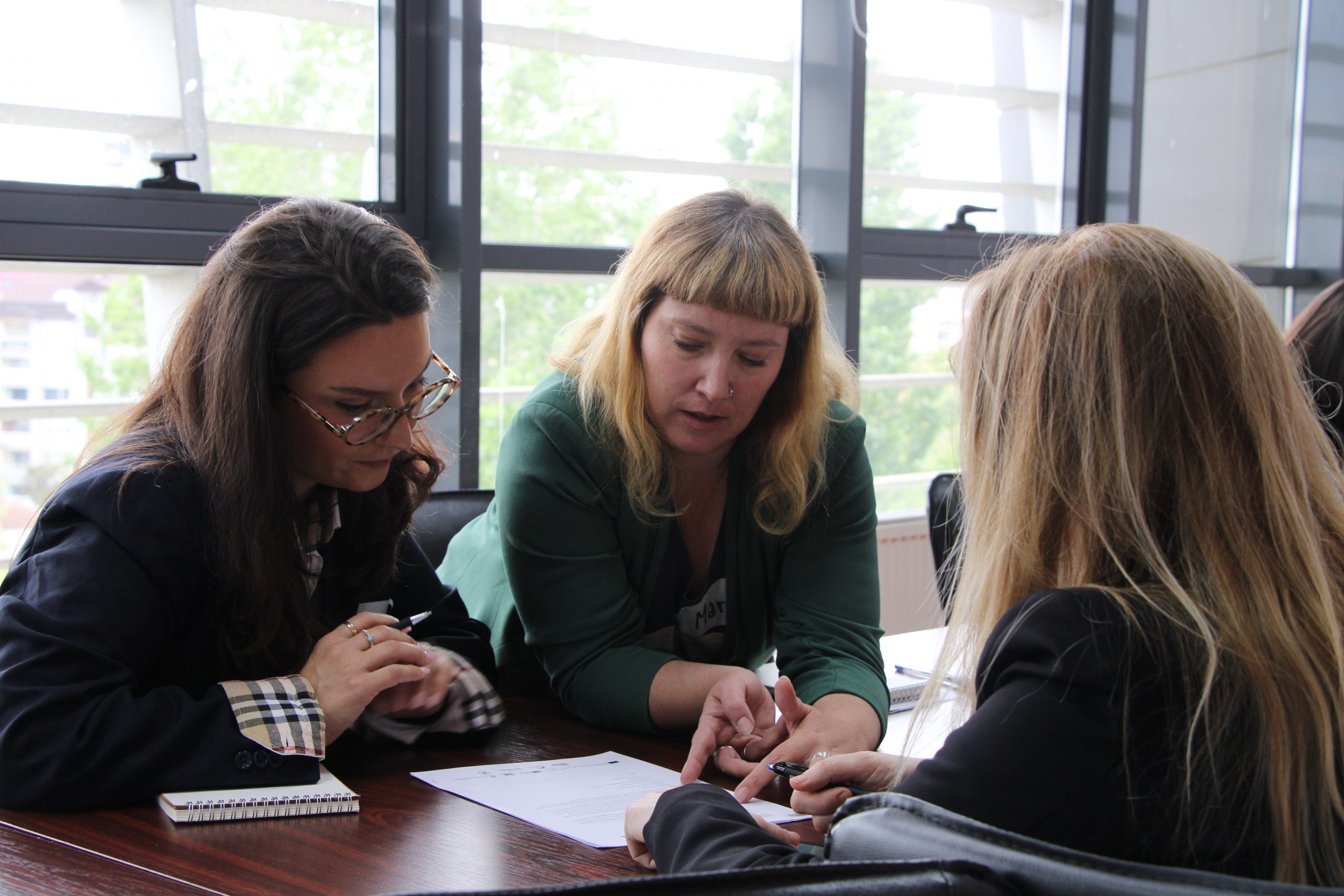
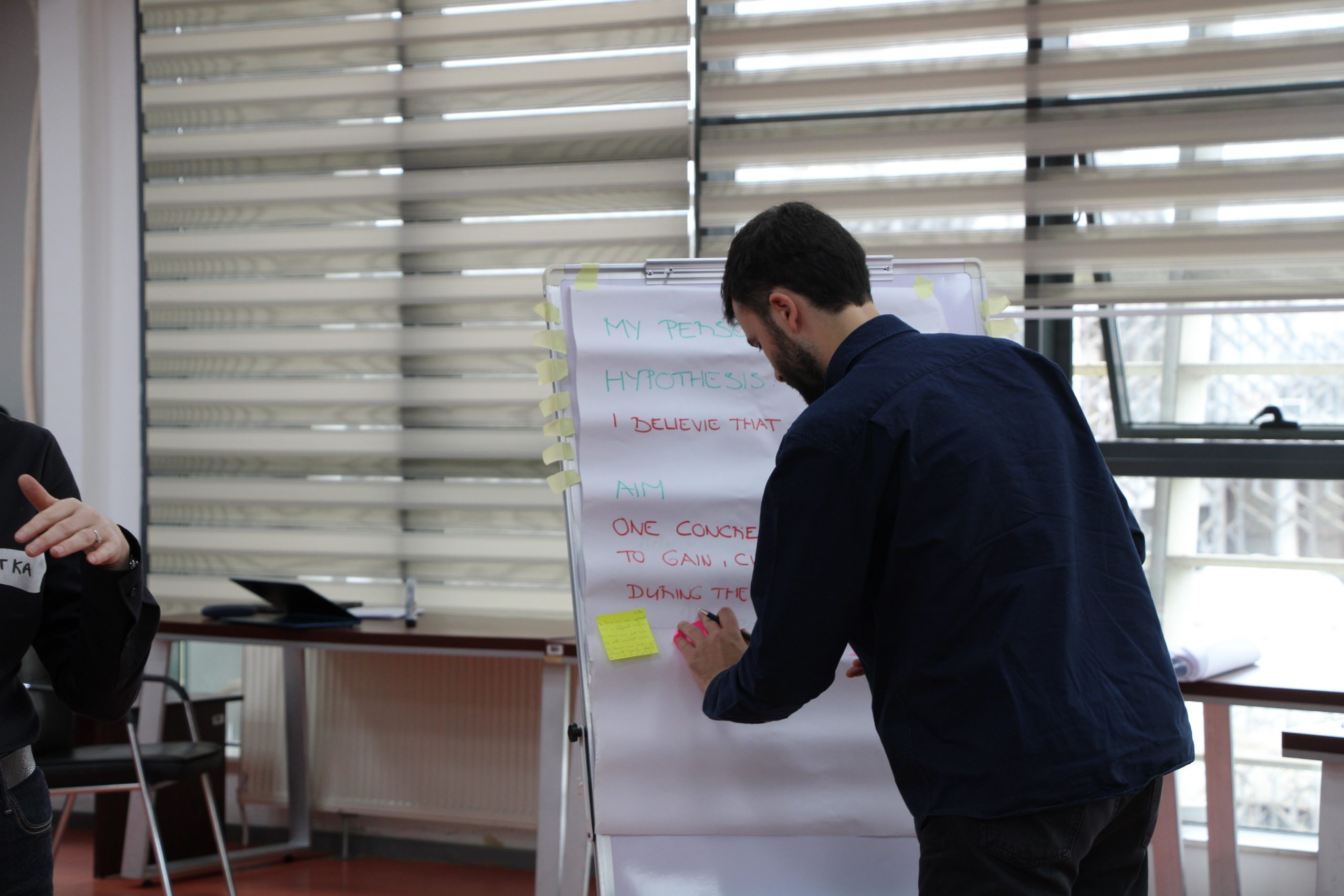
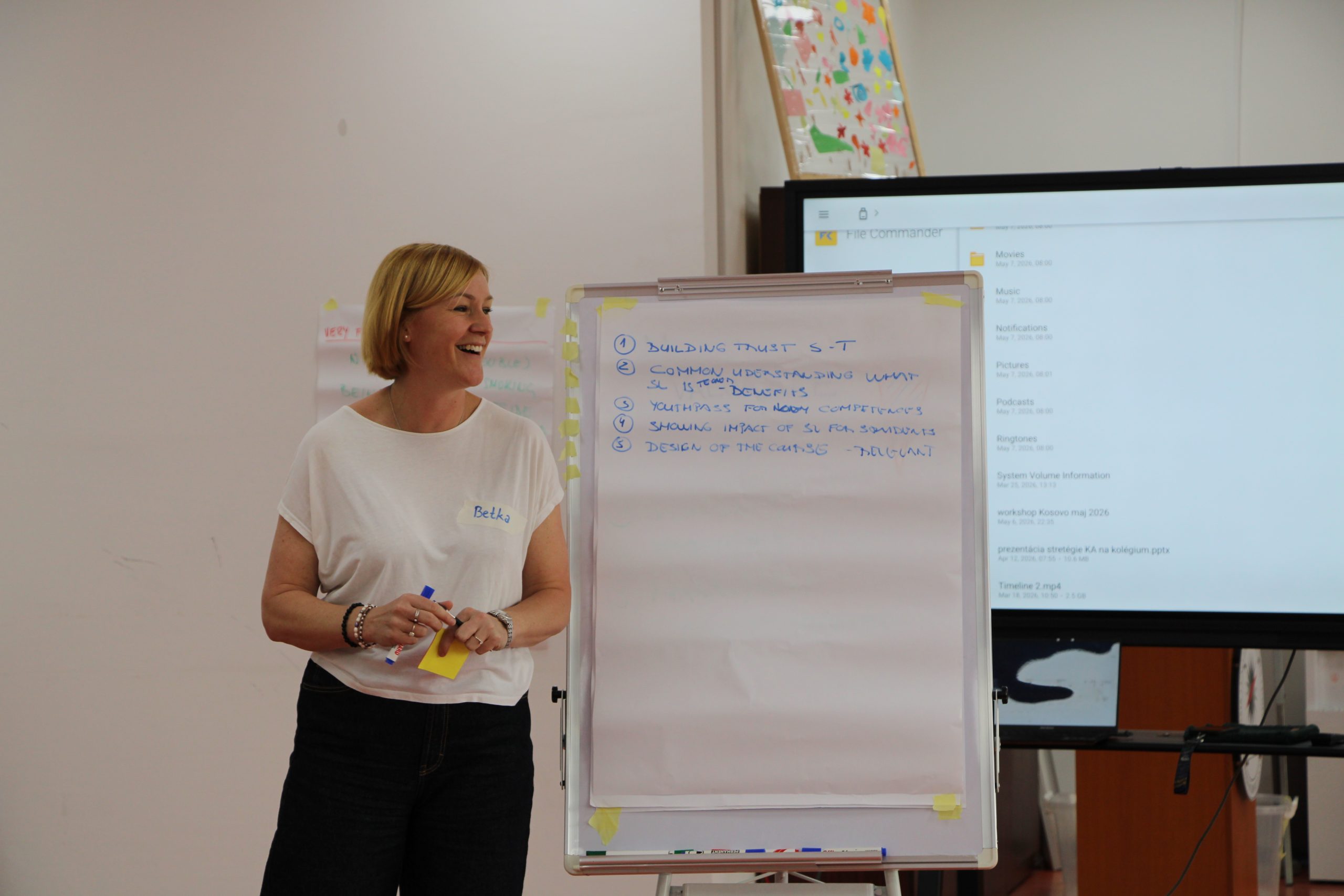
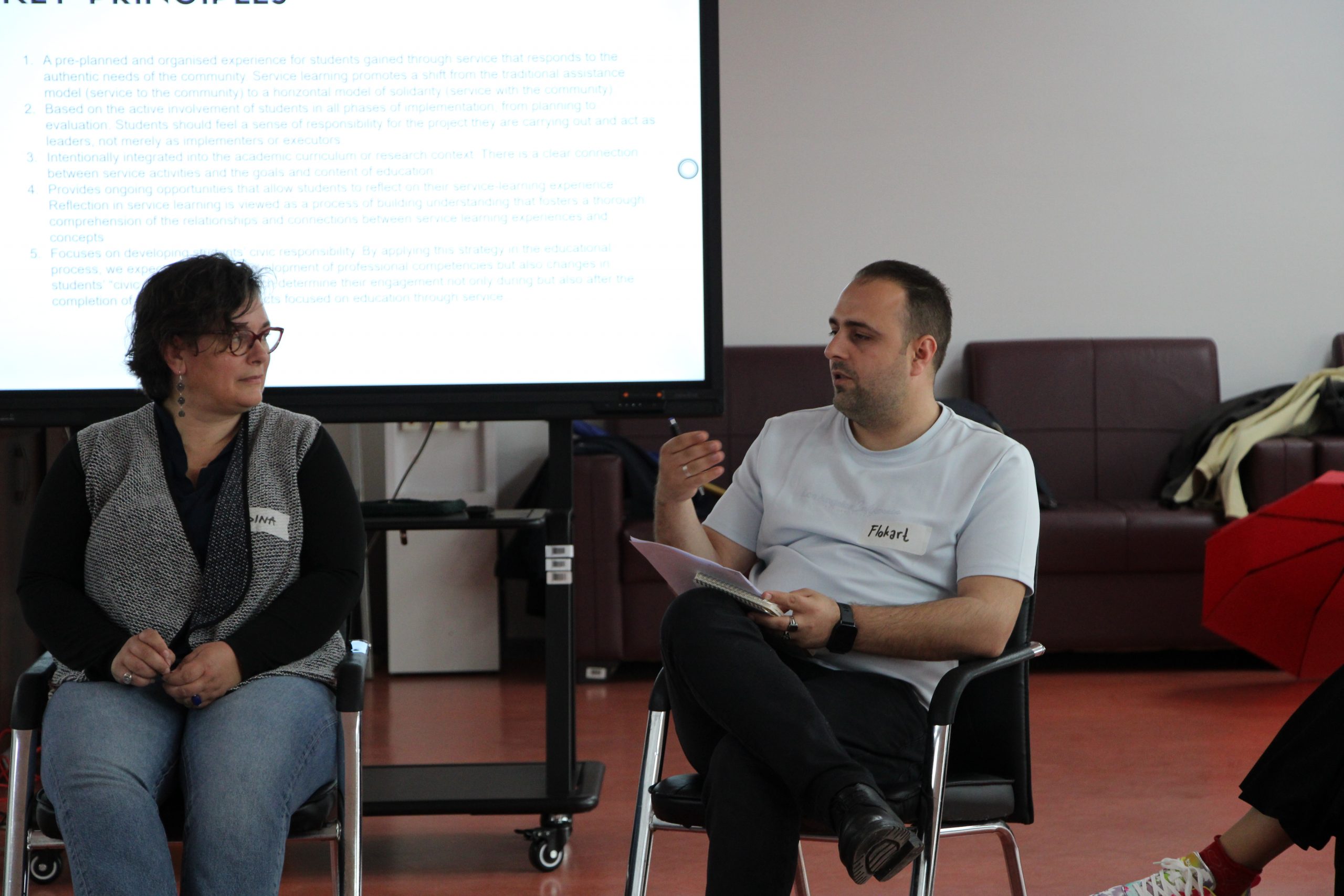
Participants explored practical tools for integrating Service-Learning into university curricula, including community needs mapping, project design, reflection methodologies, mentoring, and partnership-building. They also discussed strategies for advocating within faculties, rectorates, and university leadership structures to create institutional support for community-engaged learning.
Beyond the practical tools, the workshop encouraged participants to rethink the role of higher education itself. Universities have the potential not only to transfer knowledge but also to become active contributors to community development. Through Service-Learning, students strengthen critical thinking, communication, teamwork, problem-solving, and civic responsibility while making meaningful contributions to society.
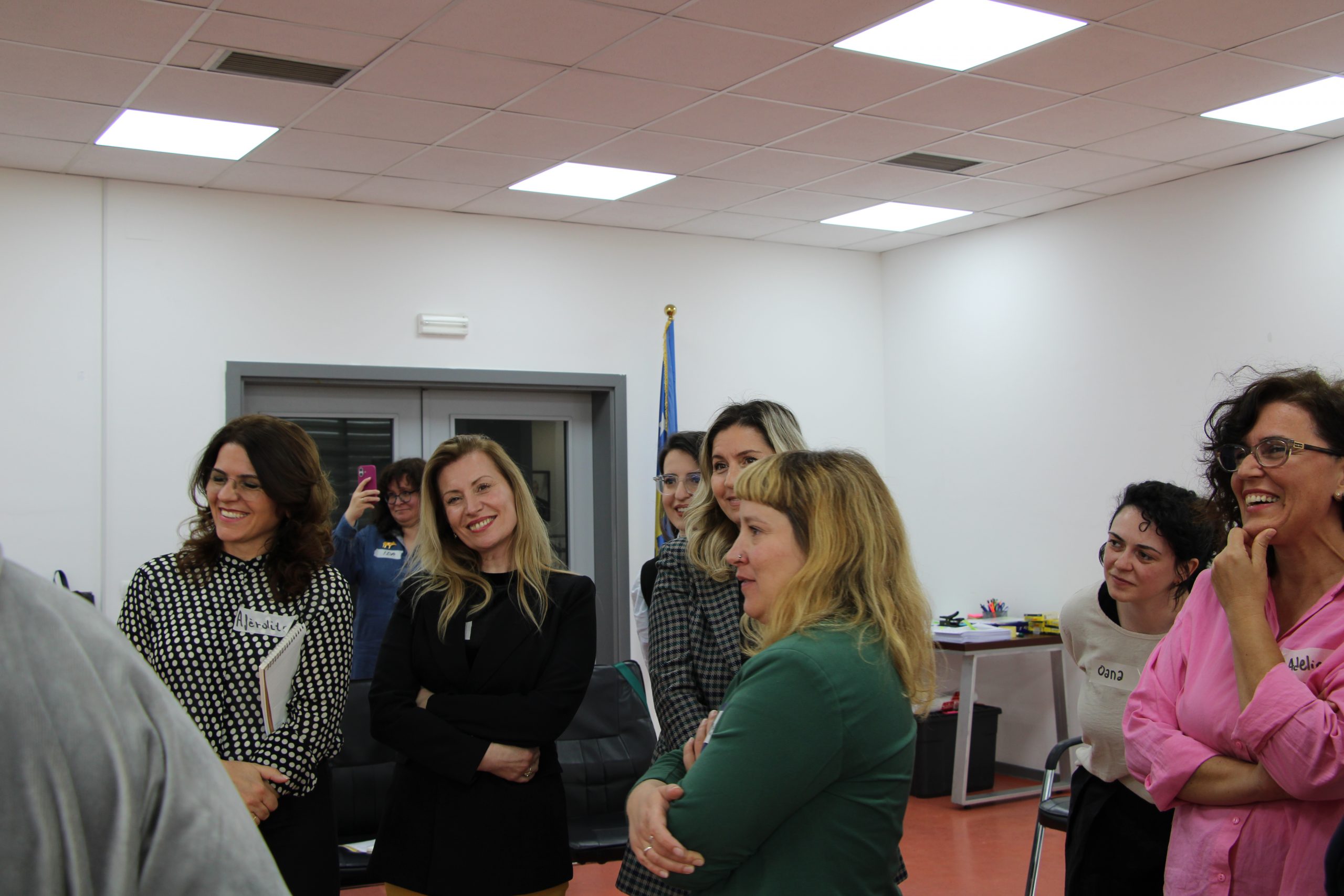
By the end of the event, participants had identified concrete steps for piloting Service-Learning within their institutions and established new connections for future collaboration across universities and NGOs in the region. More importantly, they left with a shared understanding that meaningful learning happens when students, educators, and communities work together as equal partners.