Impact

Strengthening Integrated Social Services through MFCC Models – a Community-Led Event by Help – Hilfe zur Selbsthilfe Albania

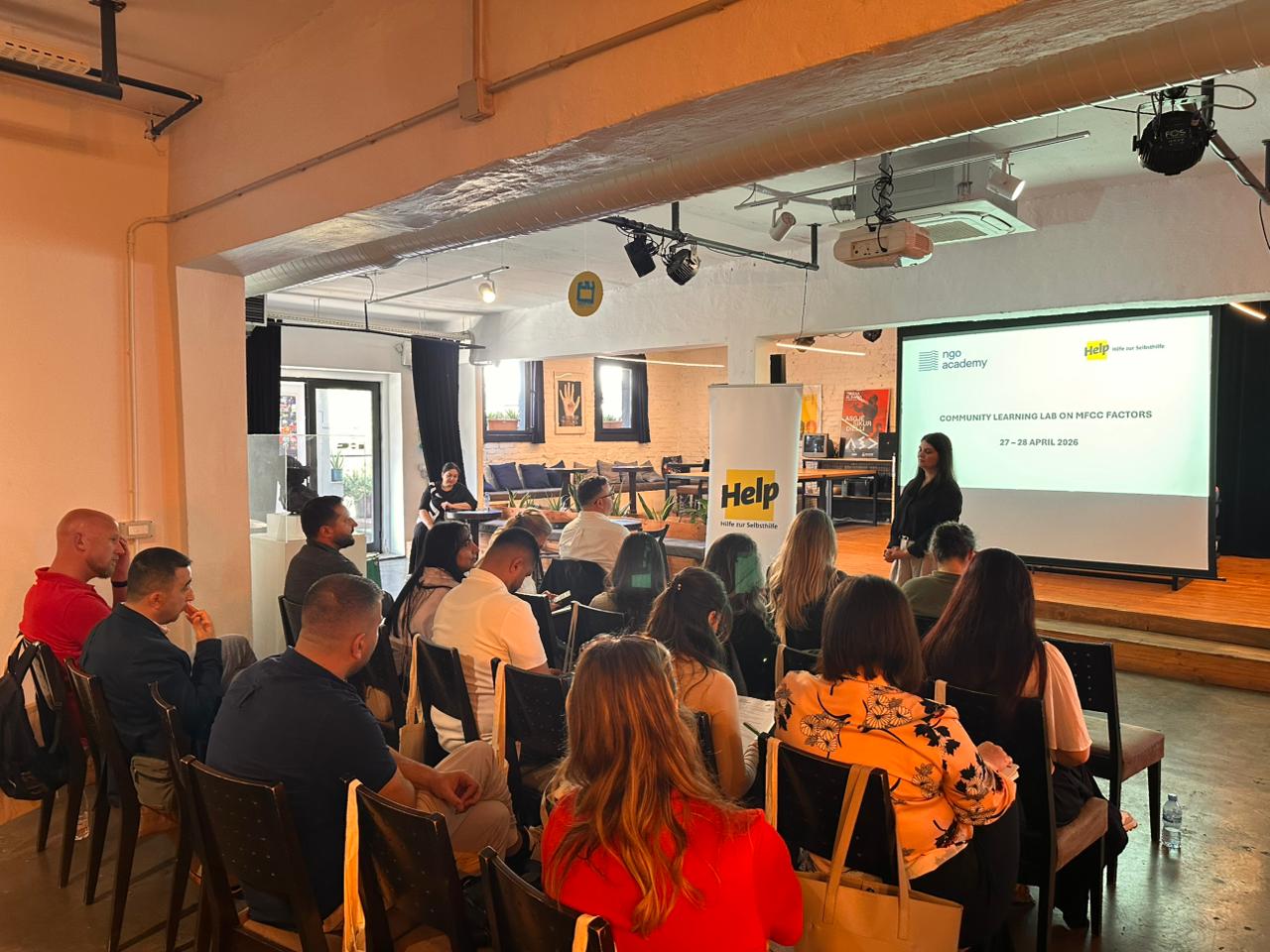
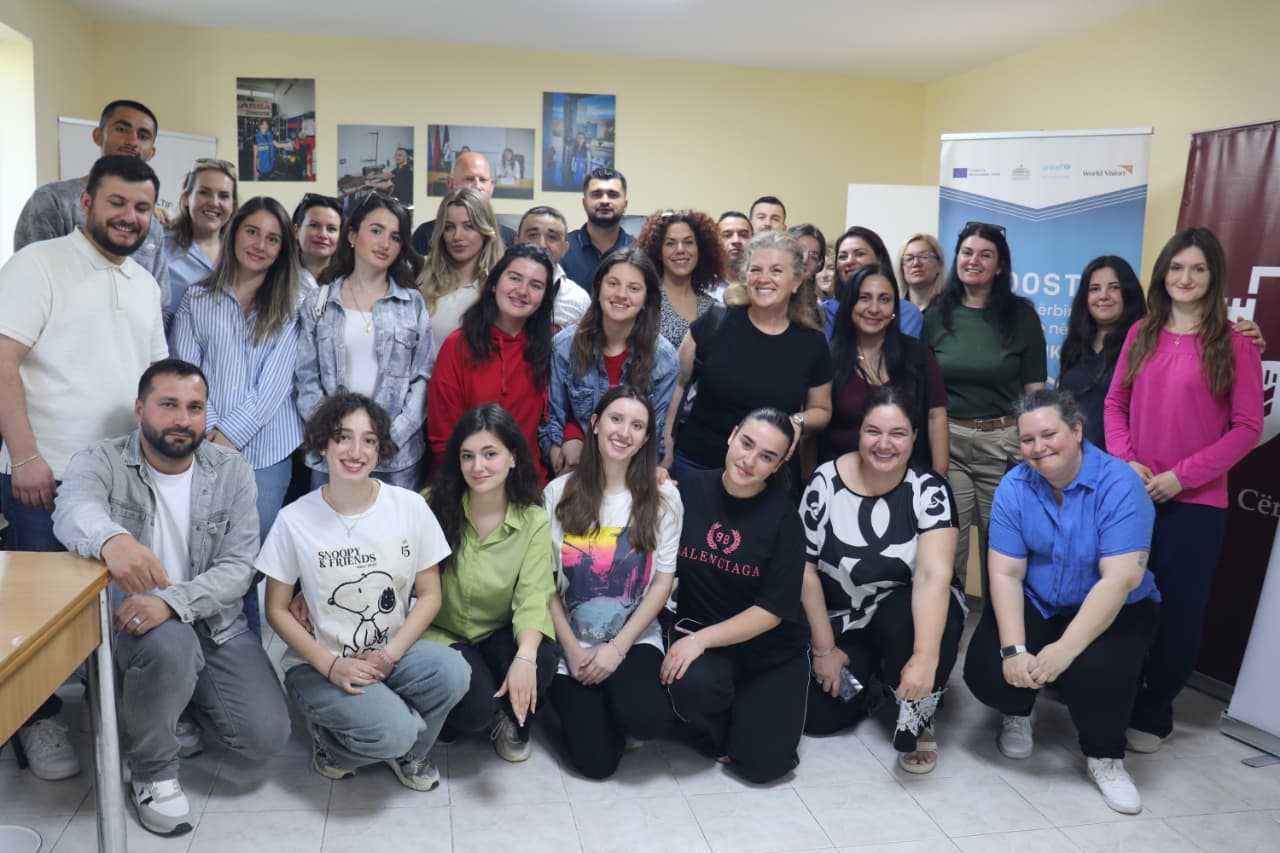
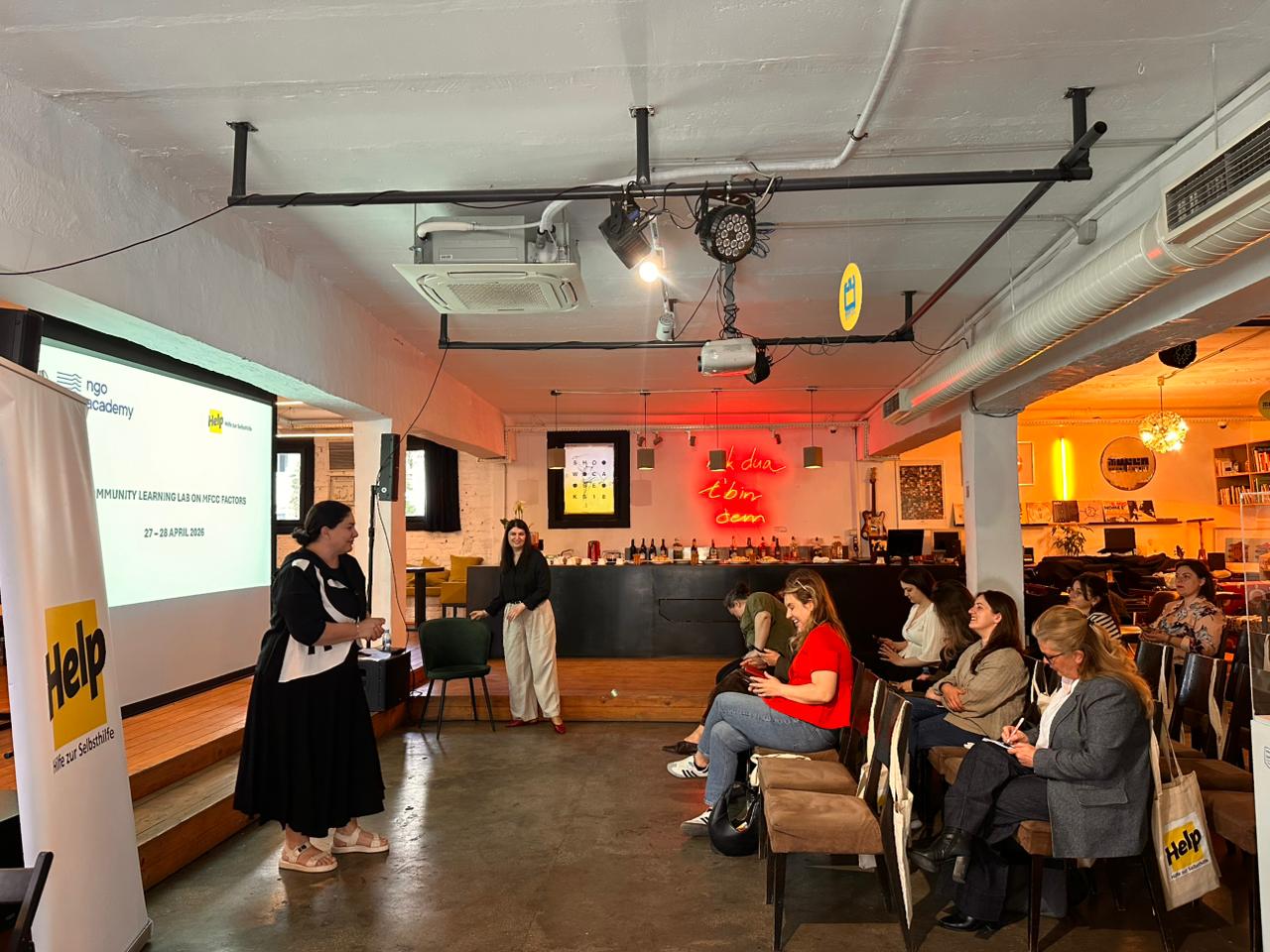
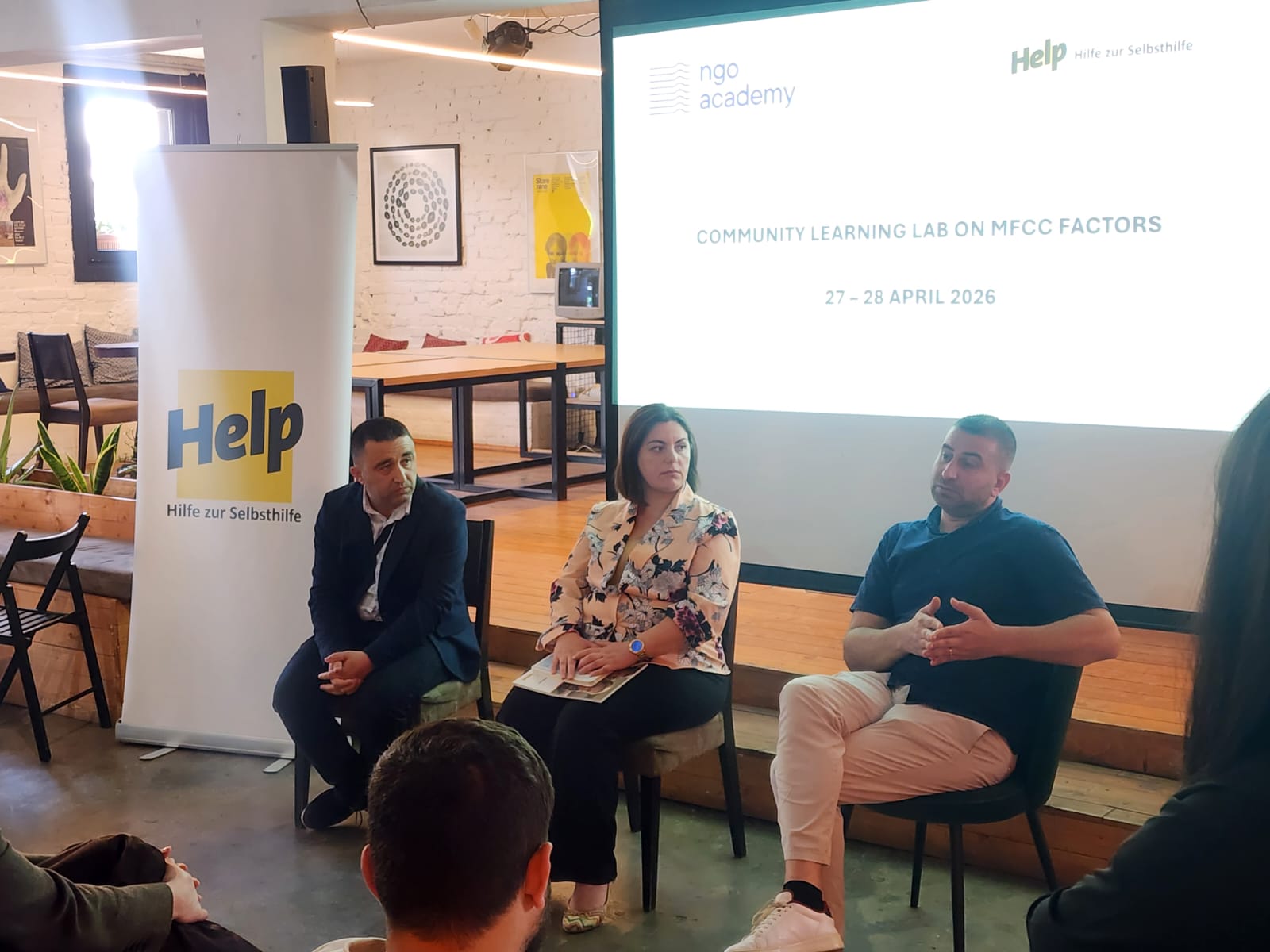
On 27–28 April 2026, practitioners, NGO representatives, and institutional actors from Albania, Kosovo, Montenegro and Romania gathered in Tirana for a two-day Community Learning Lab on Multi-Functional Community Centre (MFCC) Success Factors. Organised by Help – Hilfe zur Selbsthilfe e.V Albania Country Office this Community-Led Event focused on practical solutions for delivering integrated social services at community level.

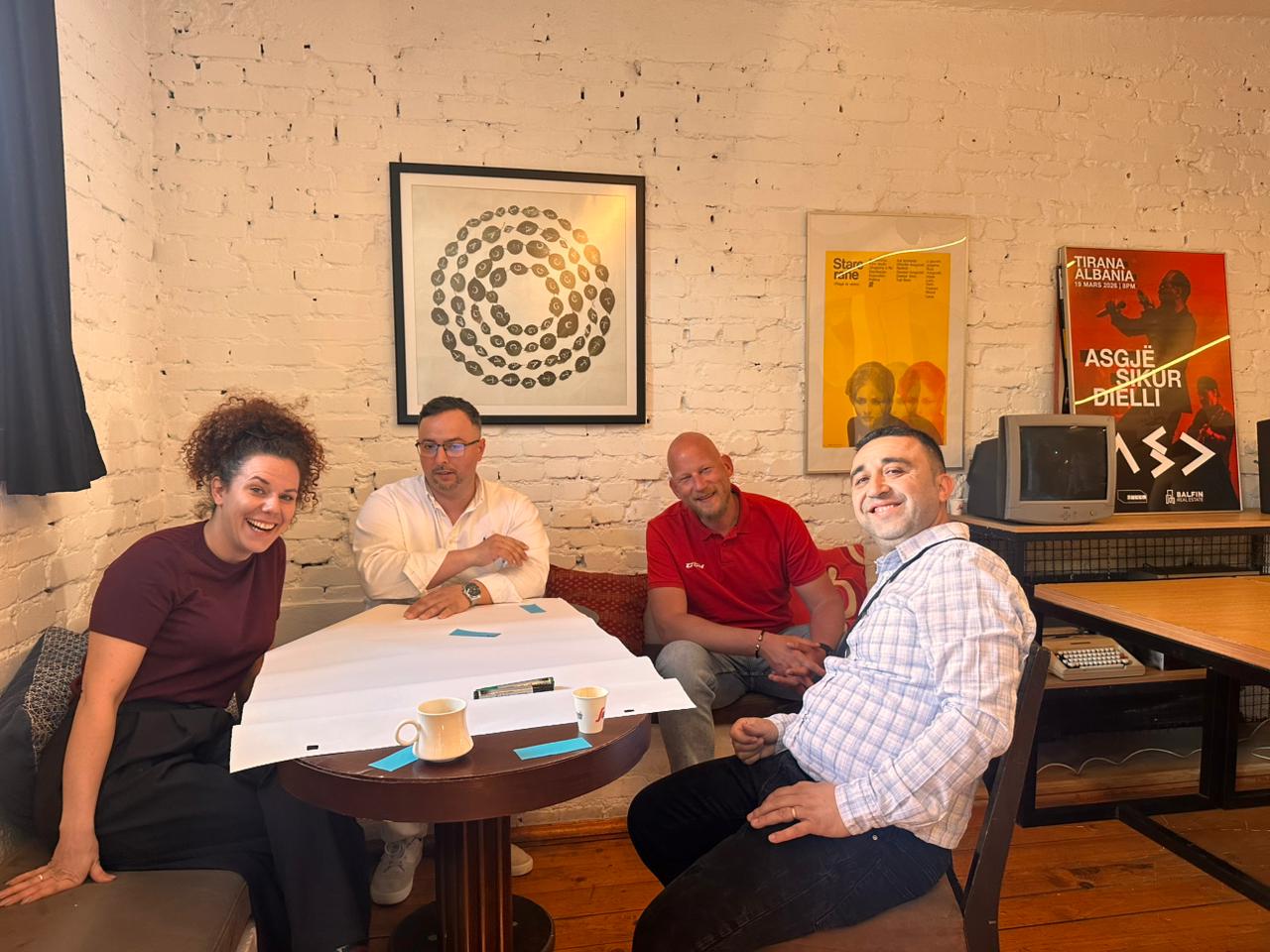
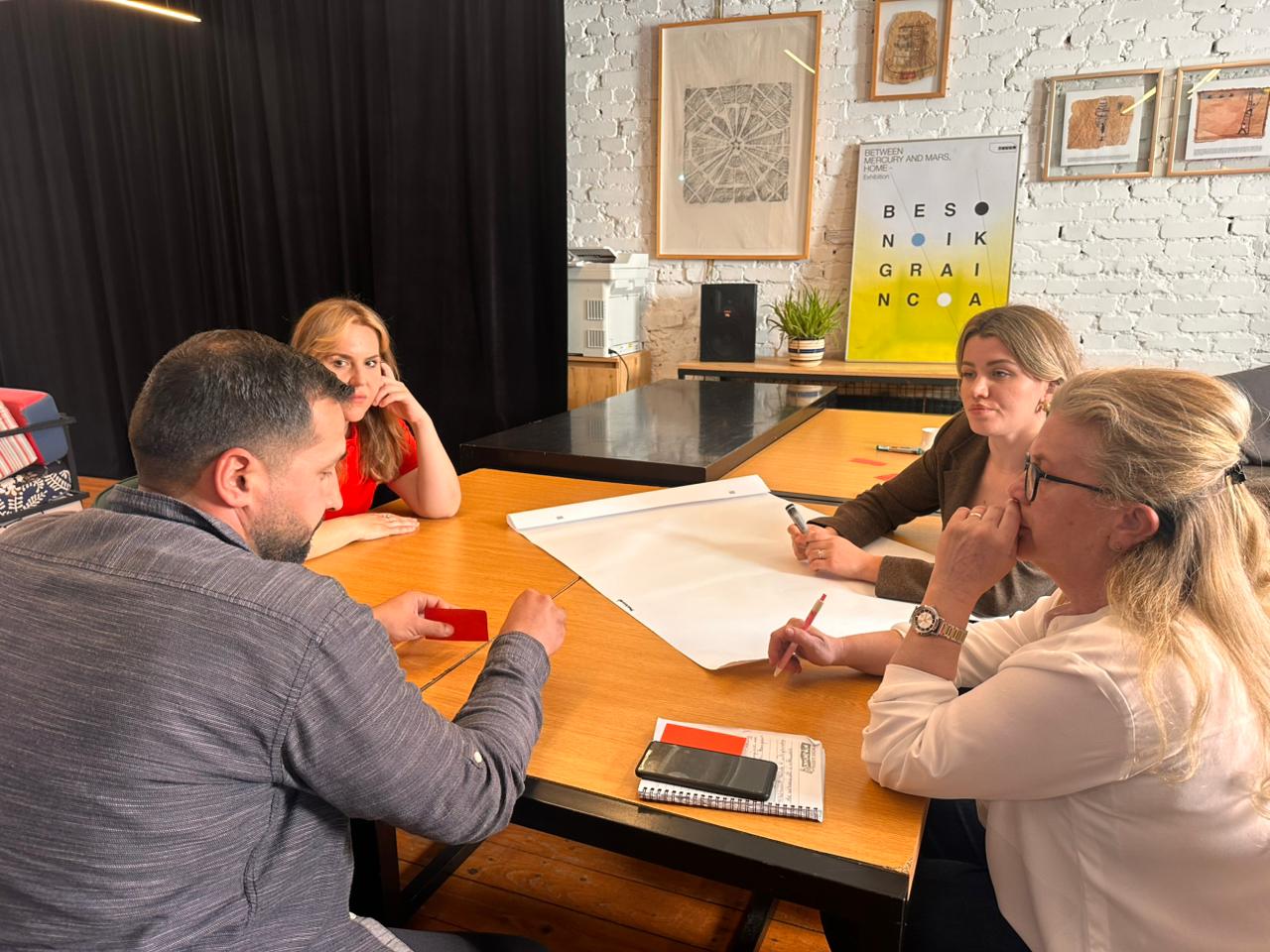
The Learning Lab combined practice panels, small-group case work, and a field visit to an operational MFCC. Participants worked on real cases from their daily practice – analysing challenges in outreach, coordination, and referral systems, and proposing alternative approaches based on peer feedback. Discussions highlighted common bottlenecks, particularly in building trust with vulnerable groups and ensuring effective coordination between social, psychosocial, and employment services.

Multi-Functional Community Centres (MFCC) are integrated service models that bring together social care, employment support, educational activities, psychosocial services, and community engagement under one roof. The approach aims to improve access to services for vulnerable individuals and families by providing coordinated and person-centred support within the community. MFCCs also serve as hubs for collaboration between local authorities, civil society organizations, service providers, and community members, helping to strengthen local social protection systems and social inclusion.
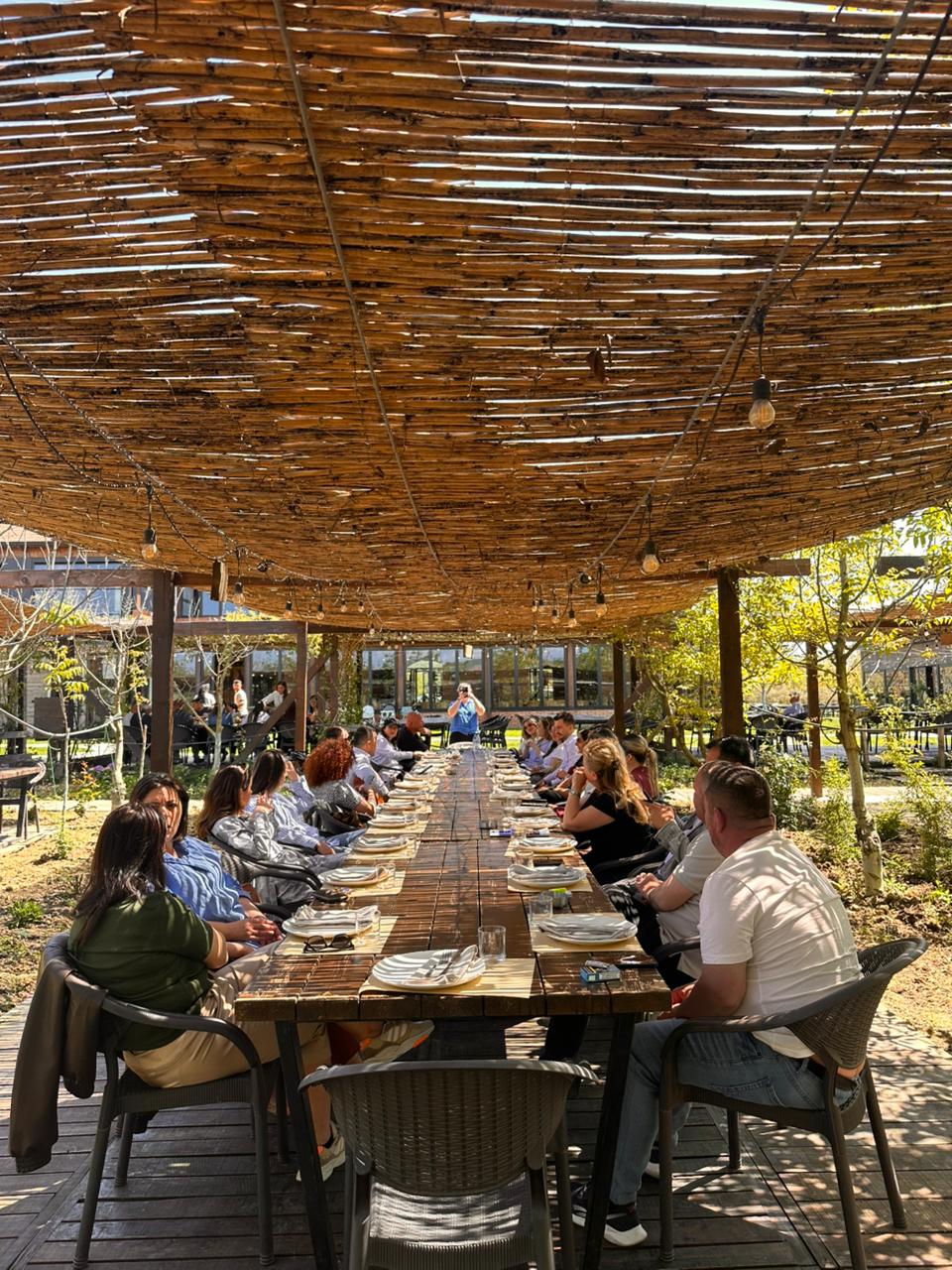
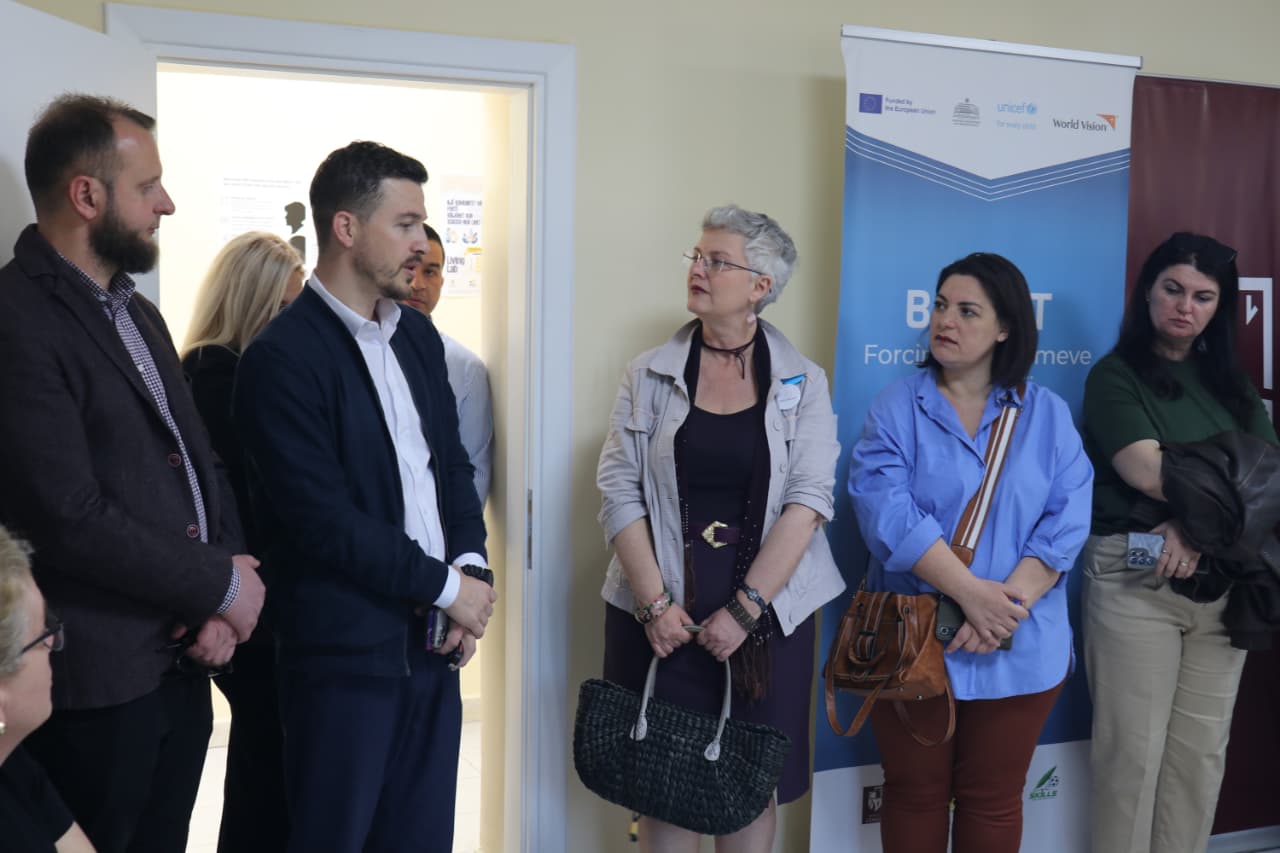
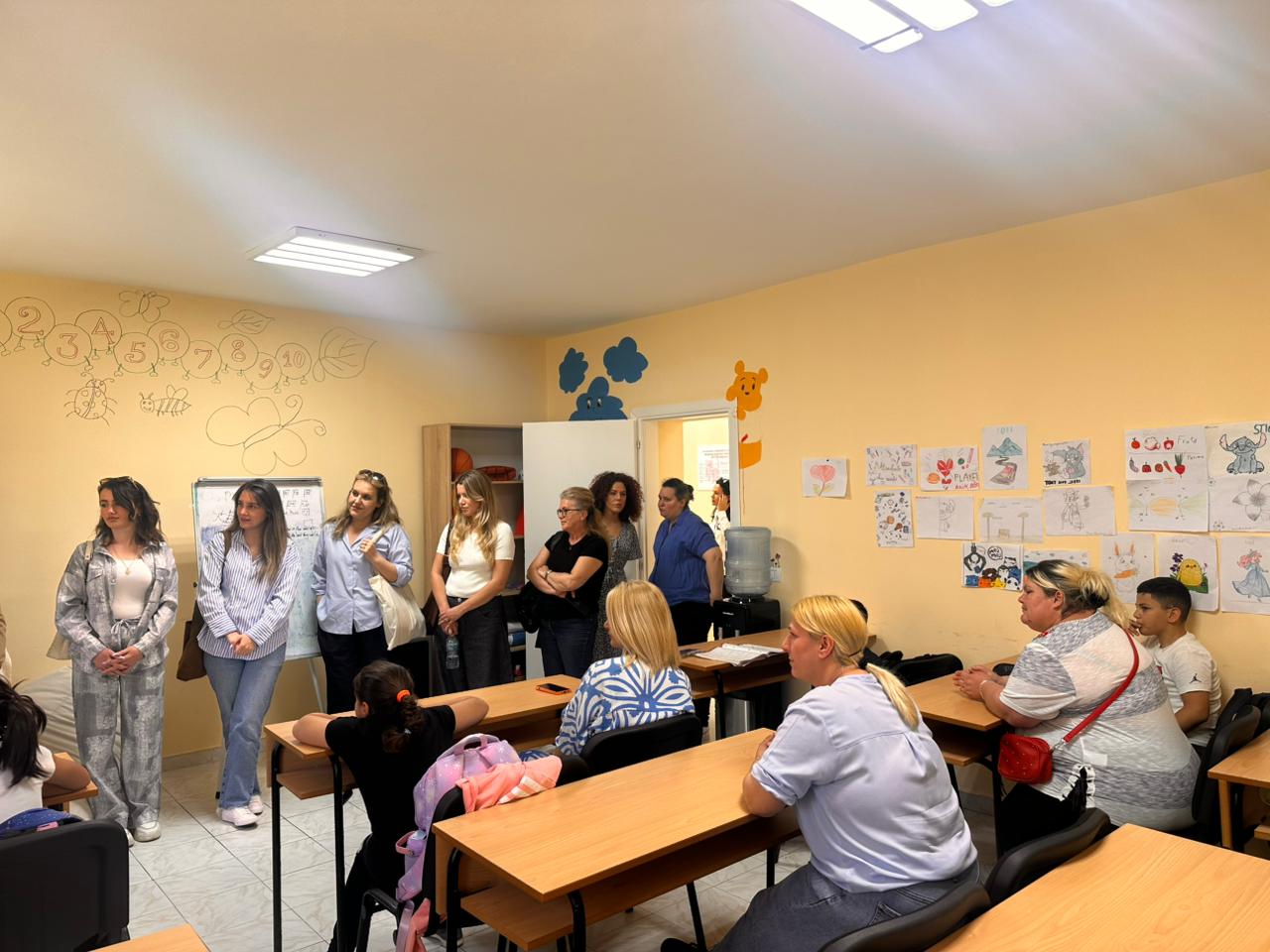
On the second day, the focus shifted to municipal partnerships and sustainability. Participants visited the Multi-Functional Community Centre (MFCC) in Cërrik, established through the EU4SocialCare programme funded by the European Union and implemented by UNICEF in partnership with local stakeholders. The centre provides integrated services for children, young people, women, families, and other vulnerable groups, including case management and referral services, psychosocial support, youth development activities, parenting support, after-school programmes, and employment-related guidance. During the visit, participants learned about the centre’s operational model, partnerships with municipal structures and service providers, and its role in improving access to quality social care services at the local level. They could engage directly with MFCC staff, exploring how services are organised, how cases are managed, and how cooperation with local authorities functions in practice.

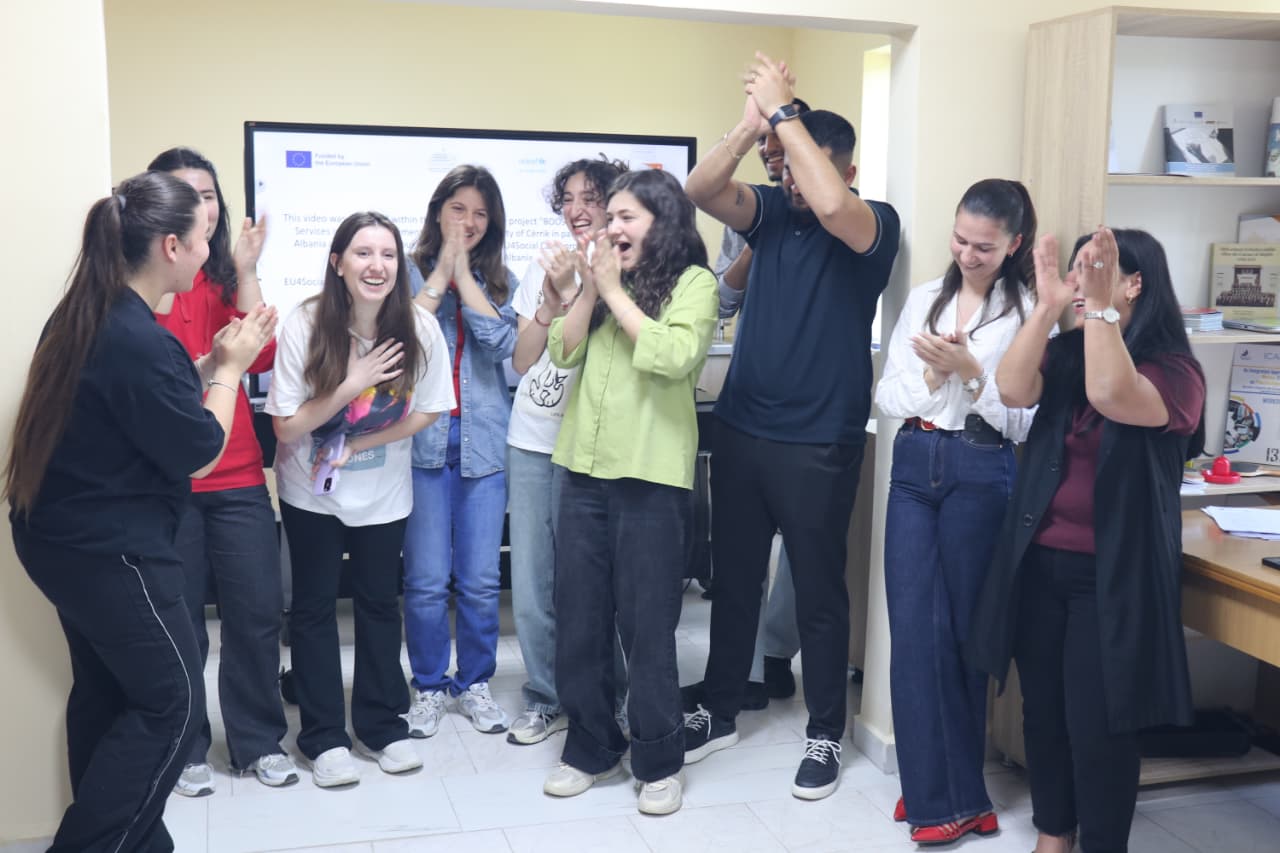
The Learning Lab concluded with an action planning session, where each participant identified one concrete practice to adapt and one action to test in their organisation. In addition, the event strengthened regional networks and opened pathways for continued exchange and collaboration.

Overall, the Learning Lab demonstrated how structured peer learning and practical reflection can lead to tangible, context-specific solutions and support the strengthening of integrated social service models across the region.