
Sihana (GERMIN, Kosovo) was one of our speakers at this semester’s first NGO Academy Member’s Breakfast, which was all about maneuvering the current funding situation. We learned so much from her short presentation, we felt the urge to dig a little deeper – and to share it with all those, who could not join for the virtual get-together.
Dear Sihana, please give us a quick introduction. What does GERMIN do and why did you see the need to diversify your funding sources in the first place?
For years, civil society organizations (CSOs) across the Western Balkans have relied heavily on international development aid — primarily from the U.S. and European donors. Kosovo, along with Bosnia and Herzegovina, has been among the largest recipients. From 2020 to 2024, the United States alone invested approximately $1.7 billion in the Western Balkans Six, supporting initiatives ranging from human rights to energy efficiency.
This support helped CSOs grow in size and influence, attracting top local talent and shaping public discourse. However, it also created an imbalance: while civil society strengthened, other sectors such as public administration and the private sector often struggled to attract and retain equally qualified individuals. Over time, this has led to a significant gap in institutional capacity.
GERMIN, as an organization that works closely with the Albanian diaspora, recognized that heavy reliance on foreign donors limited flexibility and responsiveness to local needs. We saw the need to diversify our funding sources, not just as a financial strategy, but as a way to restore balance, deepen our autonomy, and root our mission in the lived realities of our communities.
In the Members Breakfast you offered an inspiring take on resilience. Rather than viewing the current financial instability as a threat, GERMIN sees it as a chance to relocate power — and rethink funding sources. How did you approach this?
At GERMIN, we view the current funding challenges not as a threat, but as a necessary shift — a moment to realign our mission with the people we serve and to rethink the way civil society is financed.
Our approach to building resilience involves diversifying income through three key models we’ve been developing over the past few years:
Diaspora Engagement: We connect diaspora professionals with local institutions through structured exchange programs, enabling sustainable, identity-driven contributions. These professionals, deeply rooted in both international experience and local context, often stay engaged well beyond the formal end of their involvement, creating long-lasting impact.
Private Sector Partnerships (CSR): With the adoption of a new law in Kosovo allowing companies to donate up to 20% of their profit before VAT to NGOs, we’ve entered a new era of collaboration. GERMIN works closely with businesses, offering them meaningful marketing visibility within the diaspora in return for their contributions. These partnerships go beyond transactional giving—they are strategic alliances that foster shared value.
Board Contributions and Fundraising Events: We’ve activated our Board and Members to contribute directly to our core budget. In addition, we organize targeted fundraising events—some of which now cover up to 20% of our annual operating costs. These events serve both as financial drivers and community-building opportunities.
Ultimately, we are working to rebuild authentic relationships with communities. Over time, many CSOs adapted their agendas to donor frameworks. We believe it’s time to reverse that trend and reconnect with grassroots priorities through long-term, trust-based engagement.
Let’s go into two of those pillars a little deeper: firstly, tell us about the way GERMIN engages in diaspora fundraising.
Diaspora fundraising is at the heart of GERMIN’s mission. We engage the Albanian diaspora not only as donors, but as long-term partners in change. Our strategy rests on three pillars: trust, transparency, and shared identity.
We reach out to diaspora professionals and entrepreneurs through targeted campaigns, personalized outreach, and recurring donation programs. Storytelling plays a central role. We highlight the real impact of their contributions, often through the experiences of participants in our flagship programs like OriginAL or the Peer-to-Peer Mentorship Initiative.
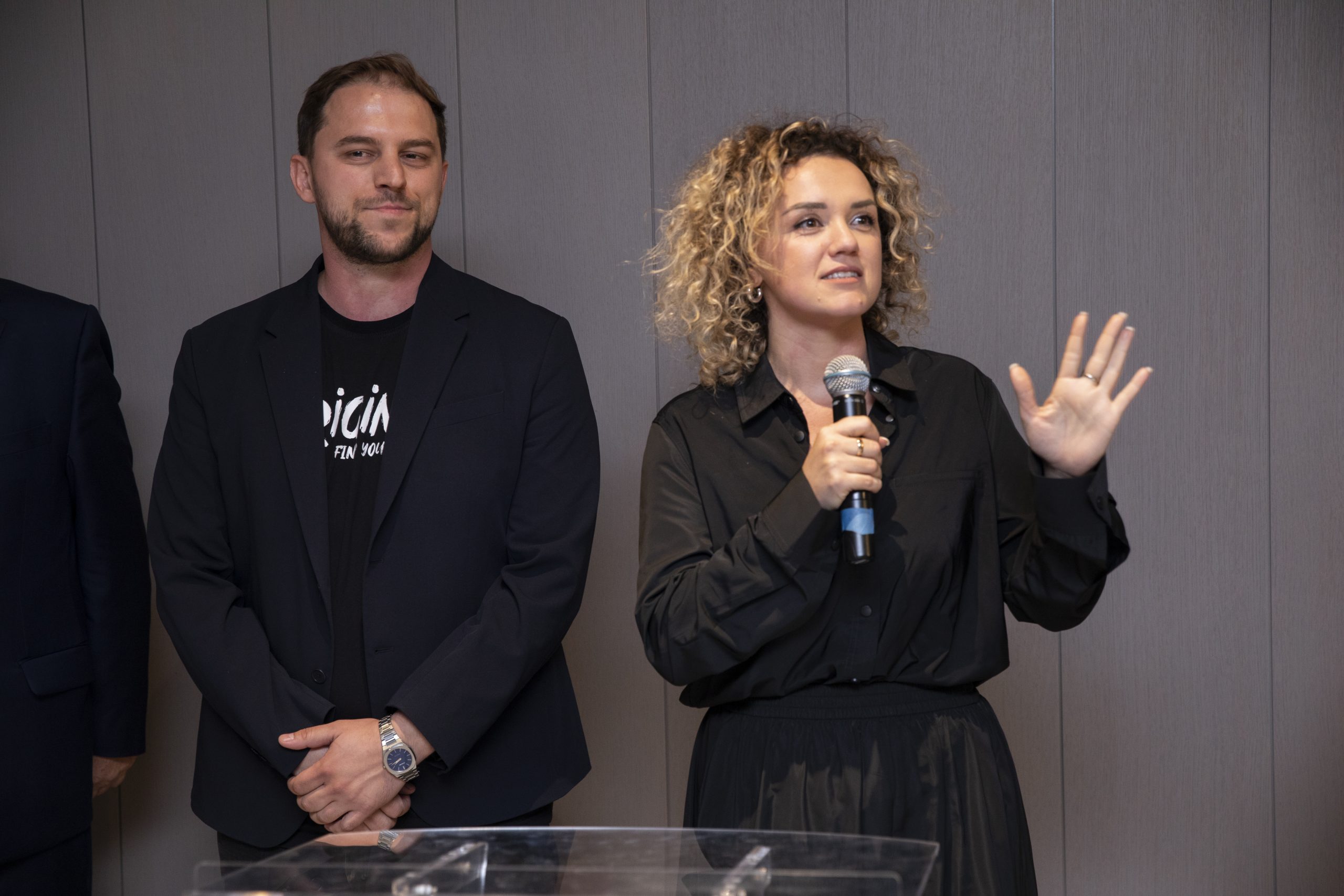
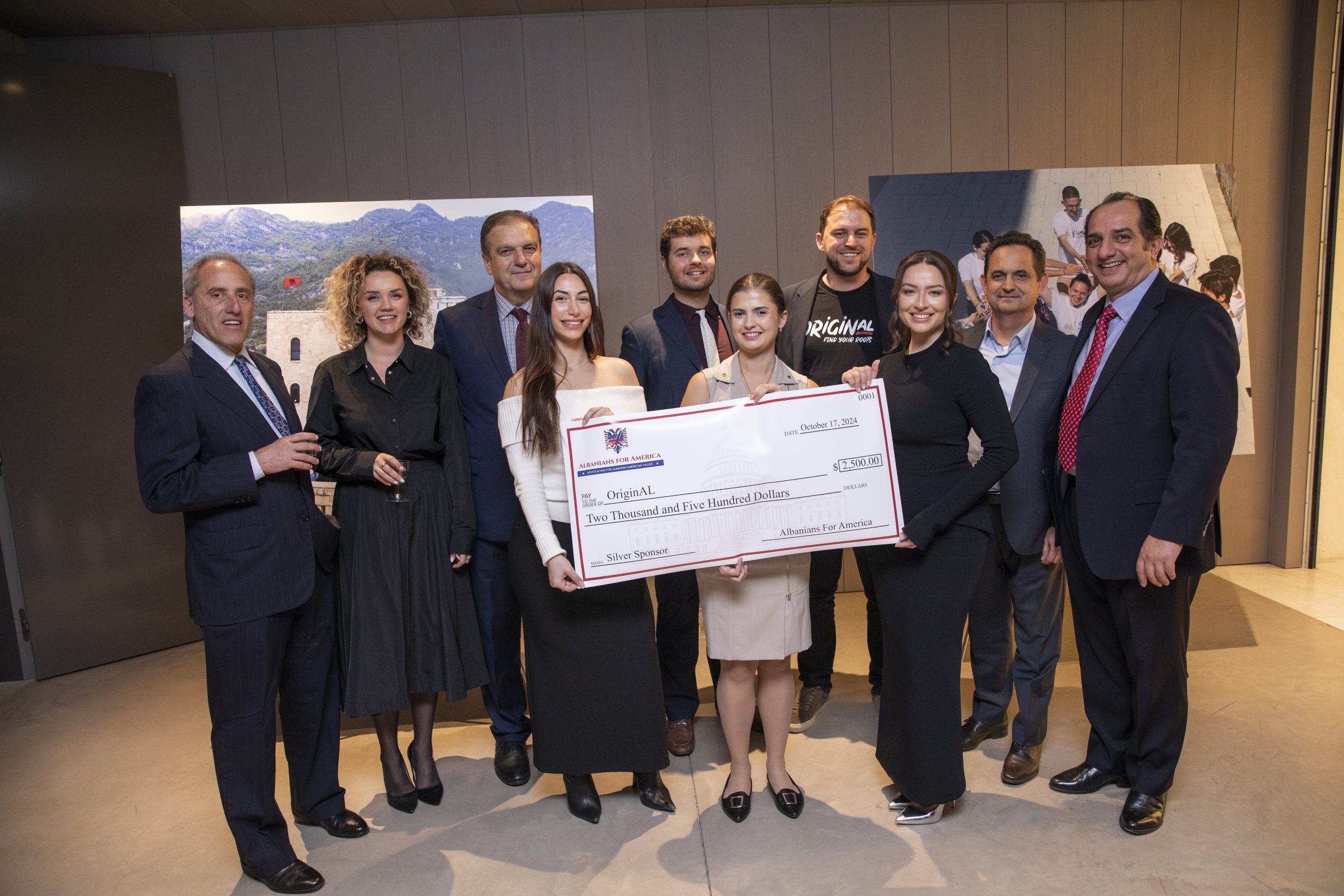
Our fundraising efforts are also anchored in community events. For instance, in May 2023 we hosted a fundraising event in New York, which brought together members of the Albanian-American diaspora to support scholarships for young people. These gatherings foster emotional connection and reinforce a sense of collective responsibility.
Additionally, we collaborate with diaspora-founded organizations such as the Global Albanians Foundation, co-designing campaigns and using platforms like globalalbanians.org to raise funds. We also receive in-kind support from pro-bono services to mentorship.
Our impact reporting is a key strength. Through newsletters, social media, and alumni testimonials, we ensure donors know exactly how their support translates into tangible outcomes.
A video showing one of our fundraising events in New York in May, 2023.
And then secondly, we’d love to hear more about private sector partnerships.
We’ve recognized that building authentic partnerships with the private sector can transform how social impact is financed in Kosovo.
The recent adoption of the law allowing businesses to donate up to 20% of their profit before VAT to NGOs has opened a new door. GERMIN is actively engaging with local companies to create CSR partnerships that align business goals with community needs. These partnerships provide companies with marketing and visibility within our extensive diaspora networks — an incentive that supports their brand growth while contributing to social good.
More importantly, these collaborations are designed for long-term impact, not just one-off donations. We help businesses see themselves as stakeholders in the future of our communities, whether it’s through co-branding campaigns, joint initiatives, or employee engagement in volunteering.
This model helps GERMIN diversify its income while also encouraging a new culture of giving and responsibility in the private sector.