Impact

12 Days, 24 Leaders, One Network: The Civil Society Leadership Programme for Ukraine 2026

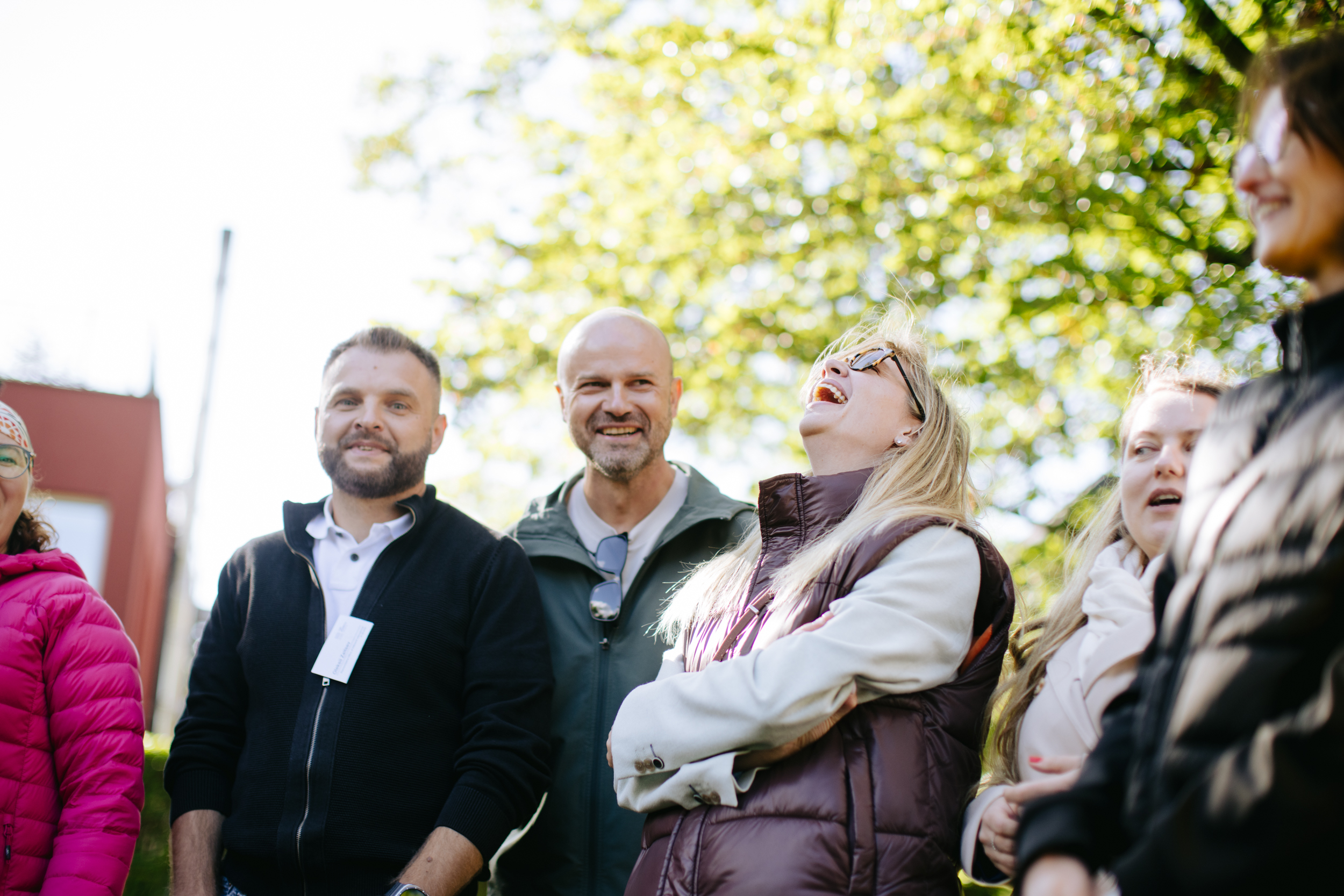
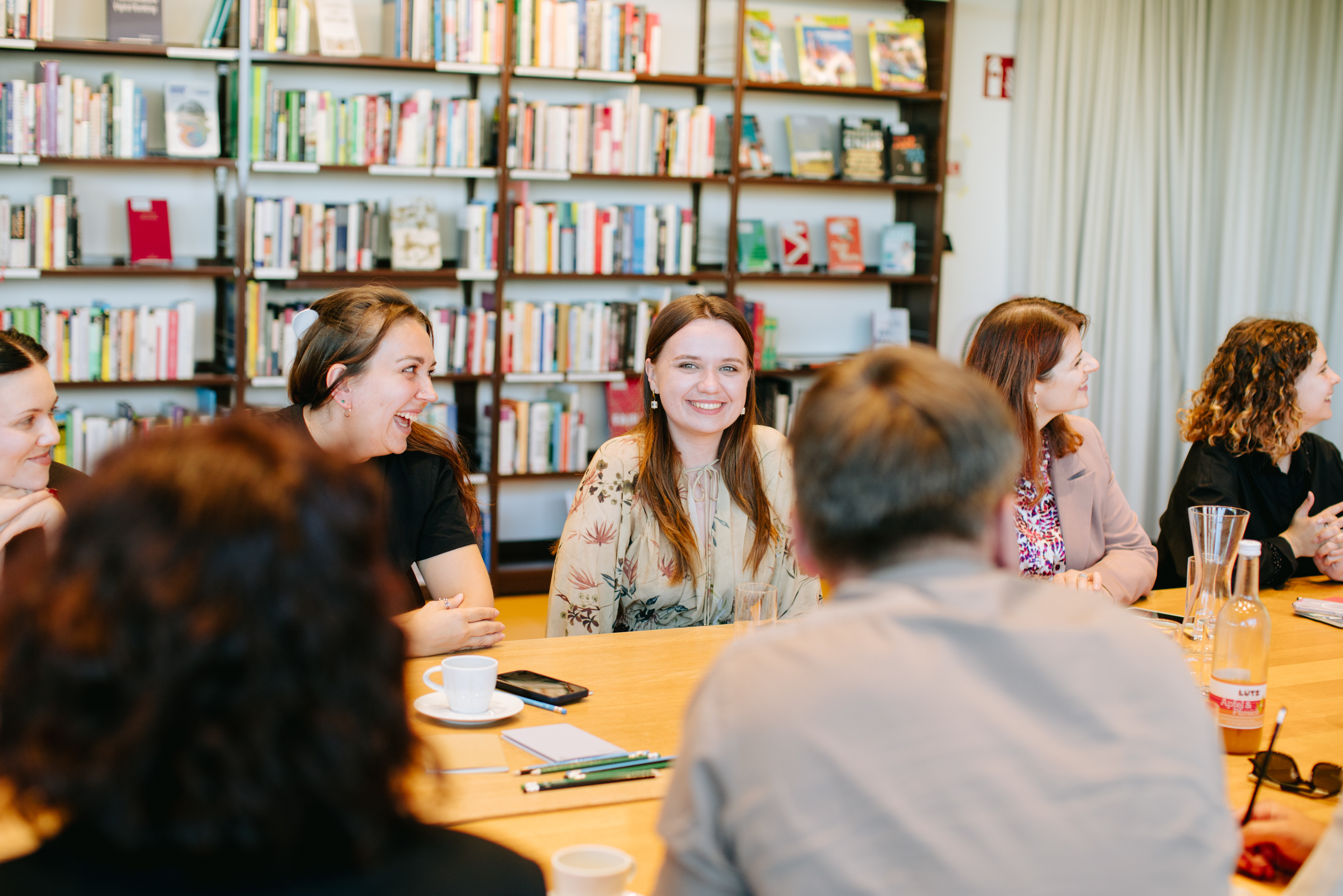
When 24 leaders of Ukrainian civil society organisations travel to Austria to learn together, it is about more than mere knowledge transfer. It is about exchange, connection, and creating space to think in times, when everyday life leaves no room for that. For the third time now, the Civil Society Leadership Programme for Ukraine aims to deliver exactly that. A short look back at the 2026 edition, whose in-person phase has now come to a close.

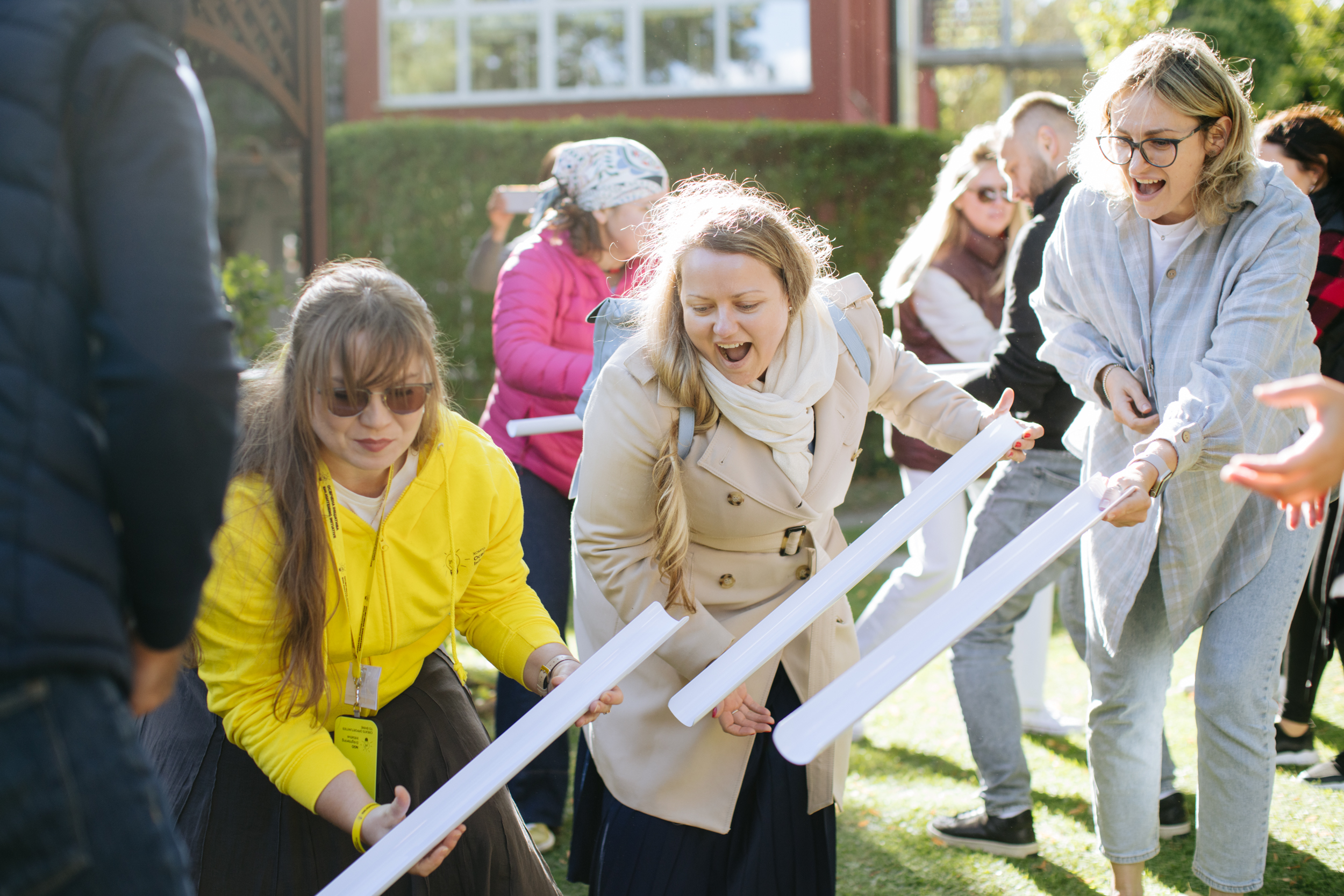
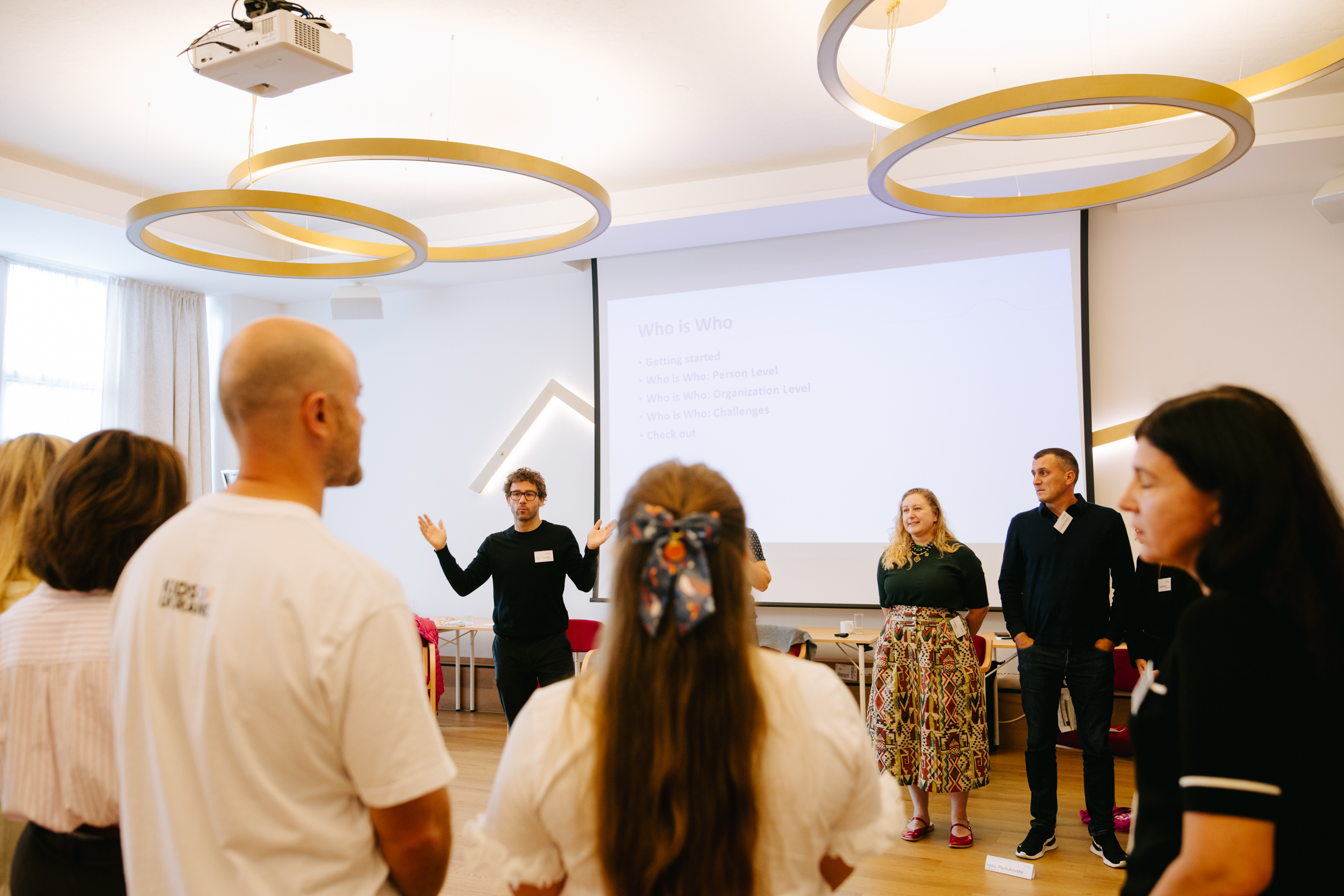
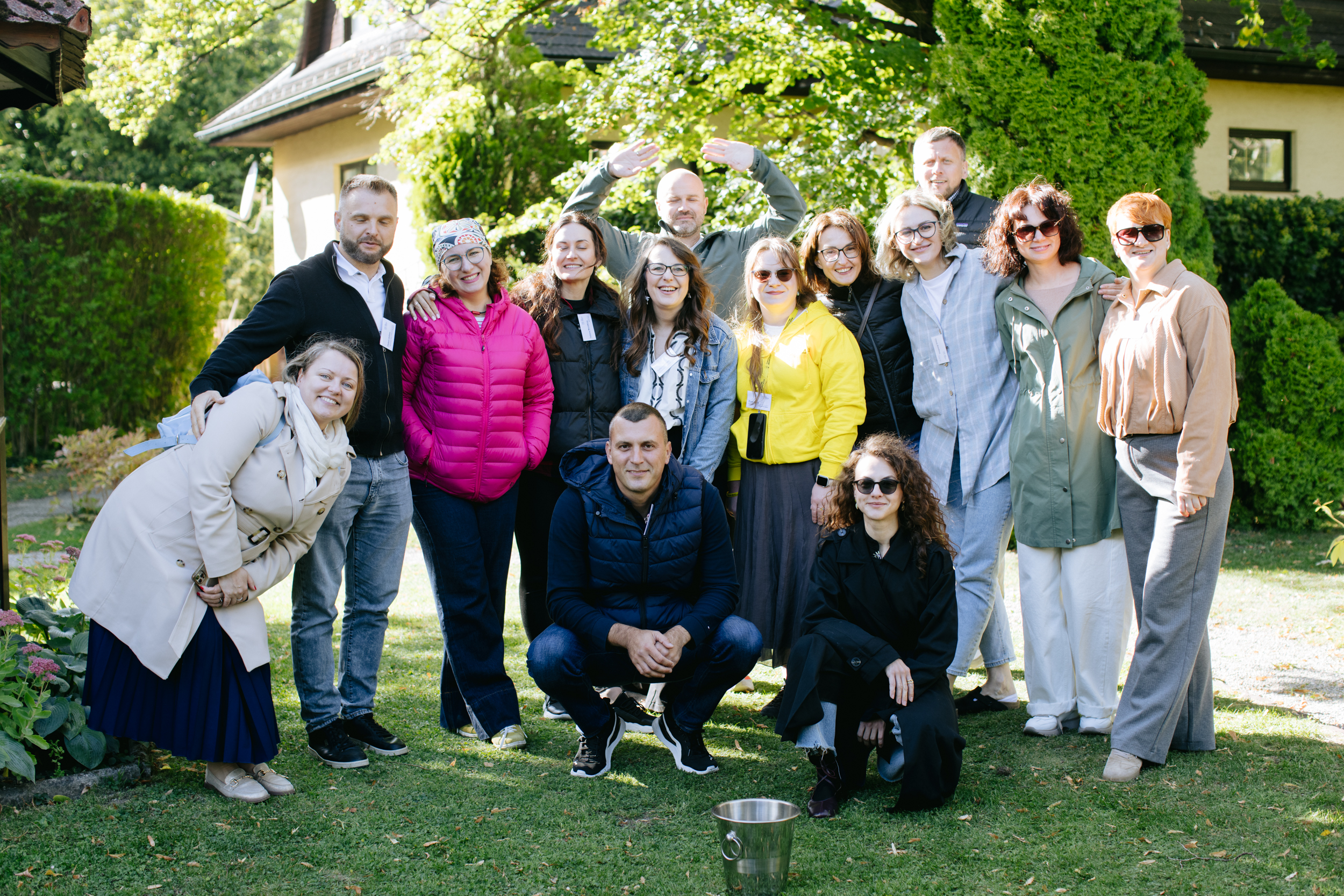
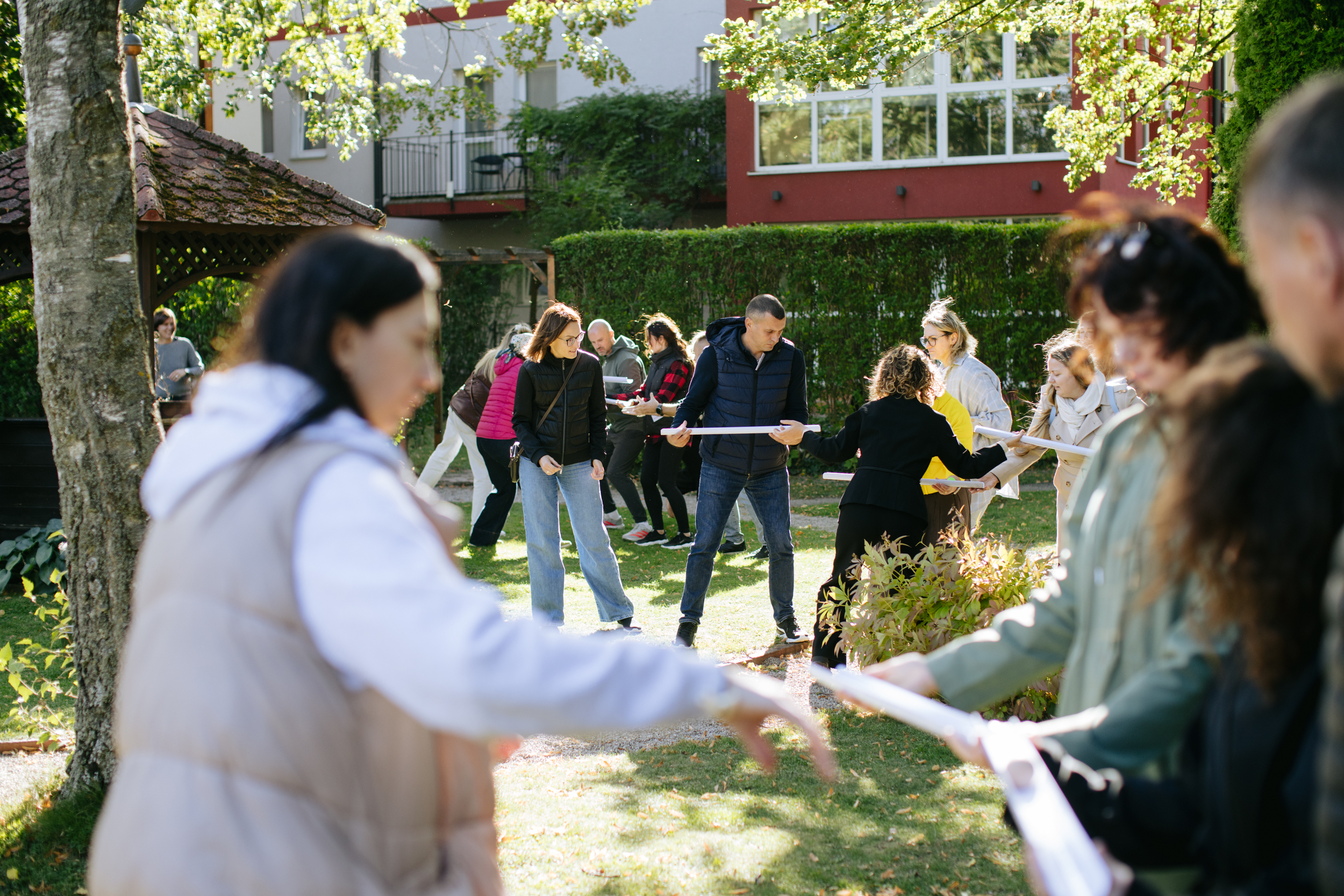
Out of 141 applicants, 24 selected participants found their way to Austria, many after a long journey. The programme therefore began gently: during an informal arrival weekend in Payerbach, Lower Austria, participants could recover and enjoy the beautiful surroundings. Monday was then all about who is in the room, laying the foundation of trust and connection for everything that followed.

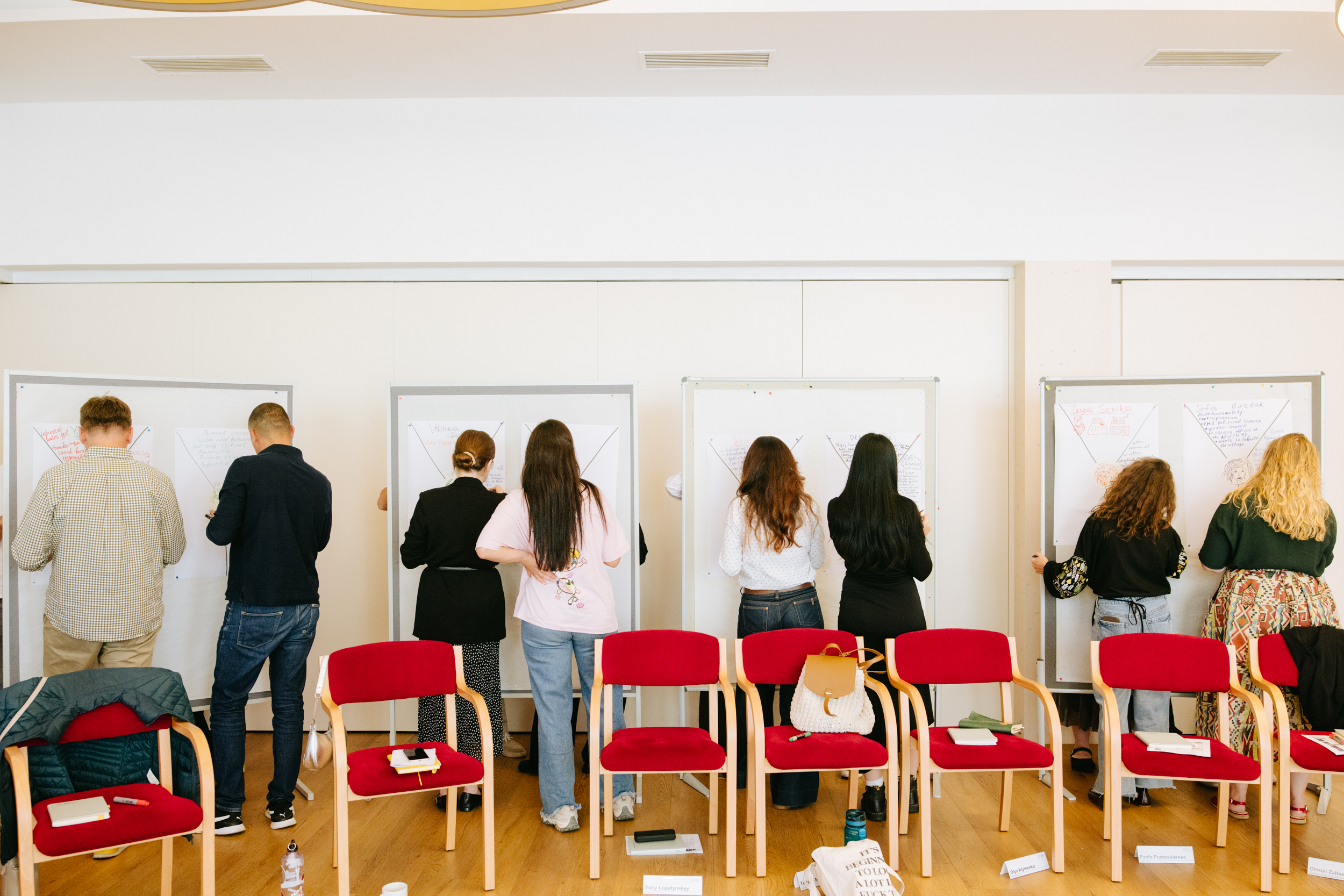
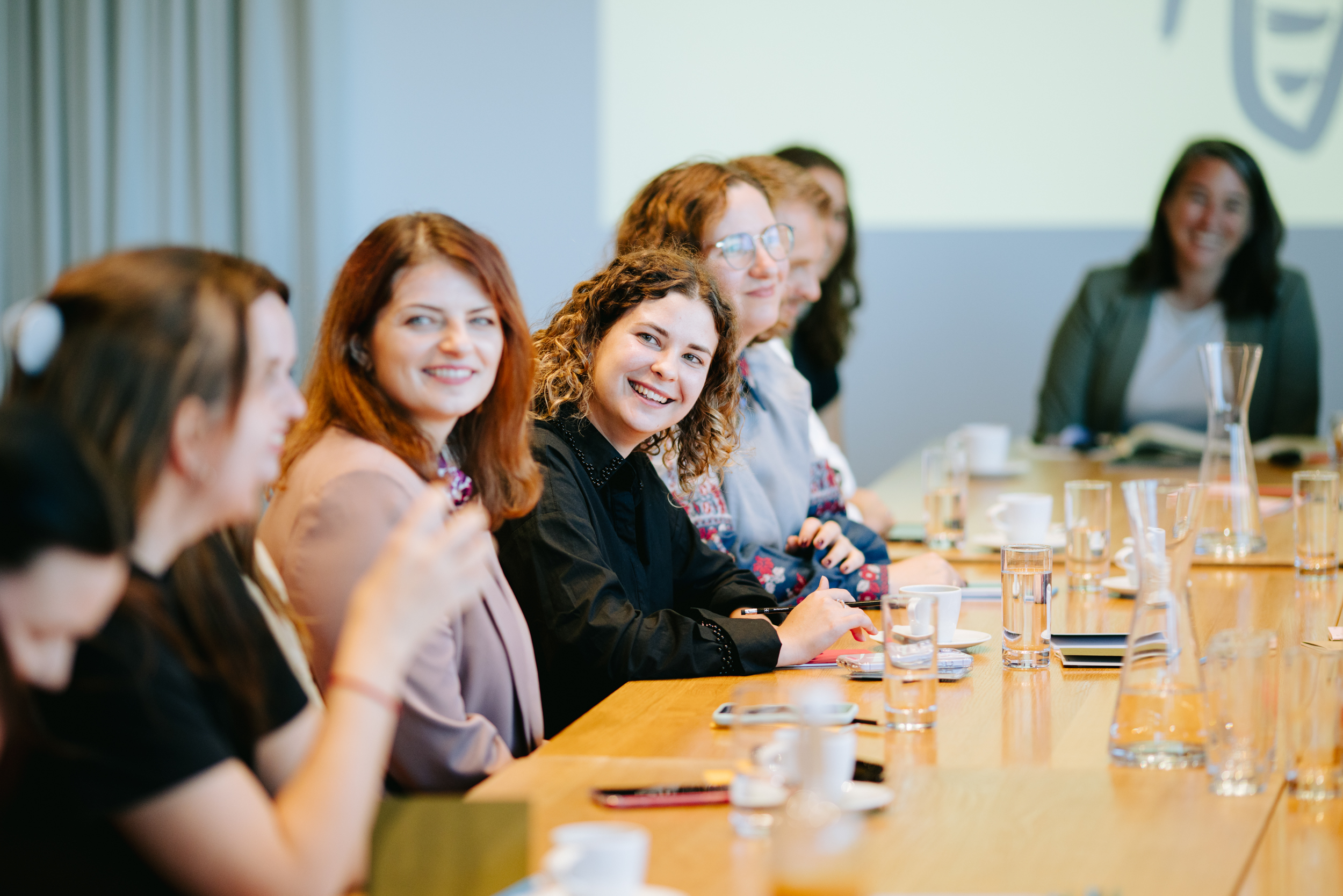
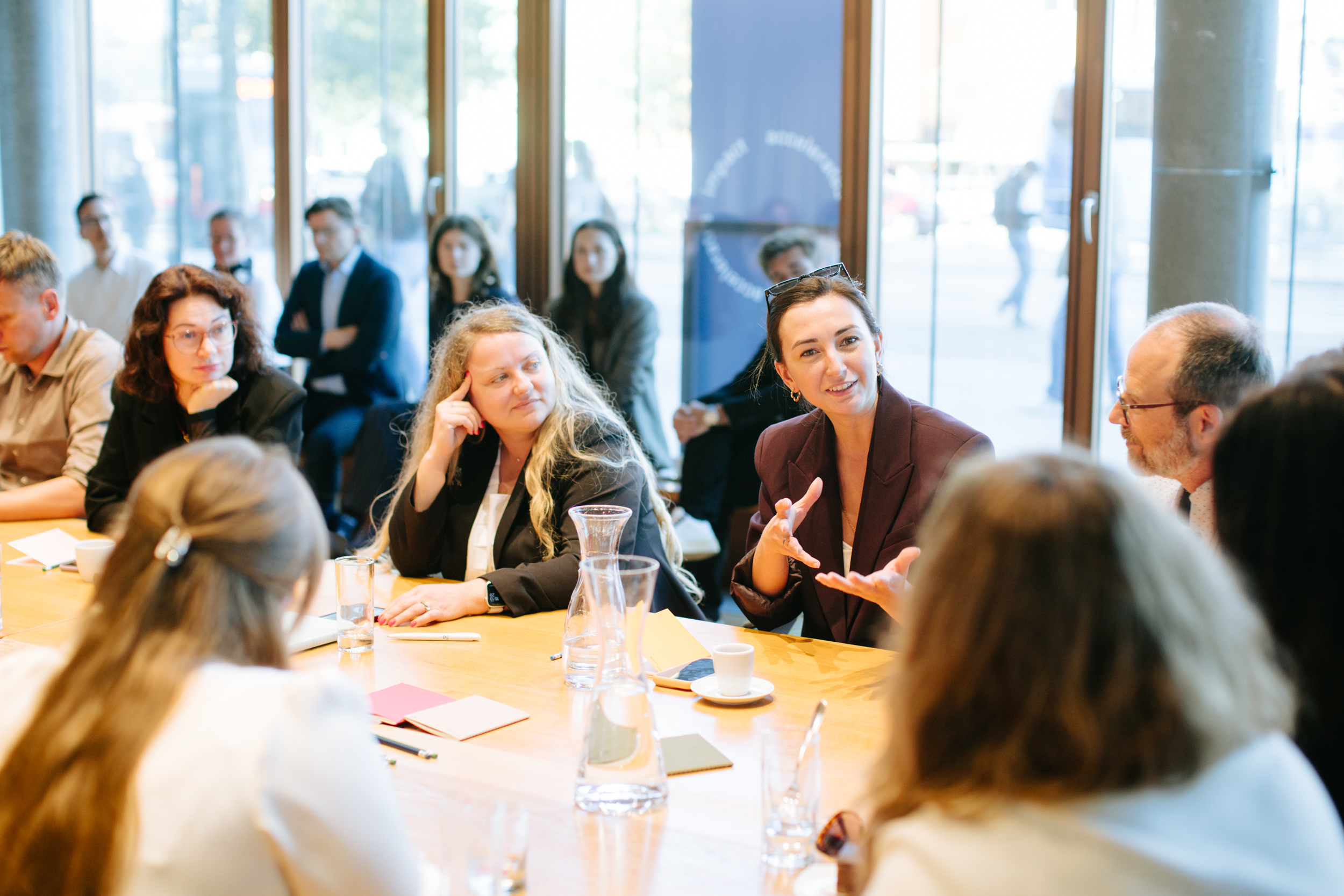
Over the following days, the focus was on input. The sessions covered topics at the heart of leading a civil society organisation:

  • Strategy: In the Impact Jam Session: Co-Creating Strategy that Lasts, Alina Nosenko guided participants through developing strategy together, so that it holds up in the long run.

  • Fundraising: Lisa Ringhofer led the session Fundraising from Philanthropy, offering new perspectives on Europe’s vast landscape of foundations and how to approach them.

  • Leadership: Michael Meyer led the session Leadership in NGOs, bringing his many years of researching the sector into the room.

  • Media work: In Making Yourself Heard – Media Work in NGOs, Cathrin Kahlweit explored how organisations can get their messages across in a very practical session.

  • Organisational development: Rouven Kanitz led Organisational Development and Change, shifting how the cohort views and tackles change within their own organisations through state-of-the-art theories and concepts.

  • Governance: Anastasiia Zernova and Michael Meyer closed the series with Governance for Impact, working on implementing the concept of good governance in the participant’s organisations.

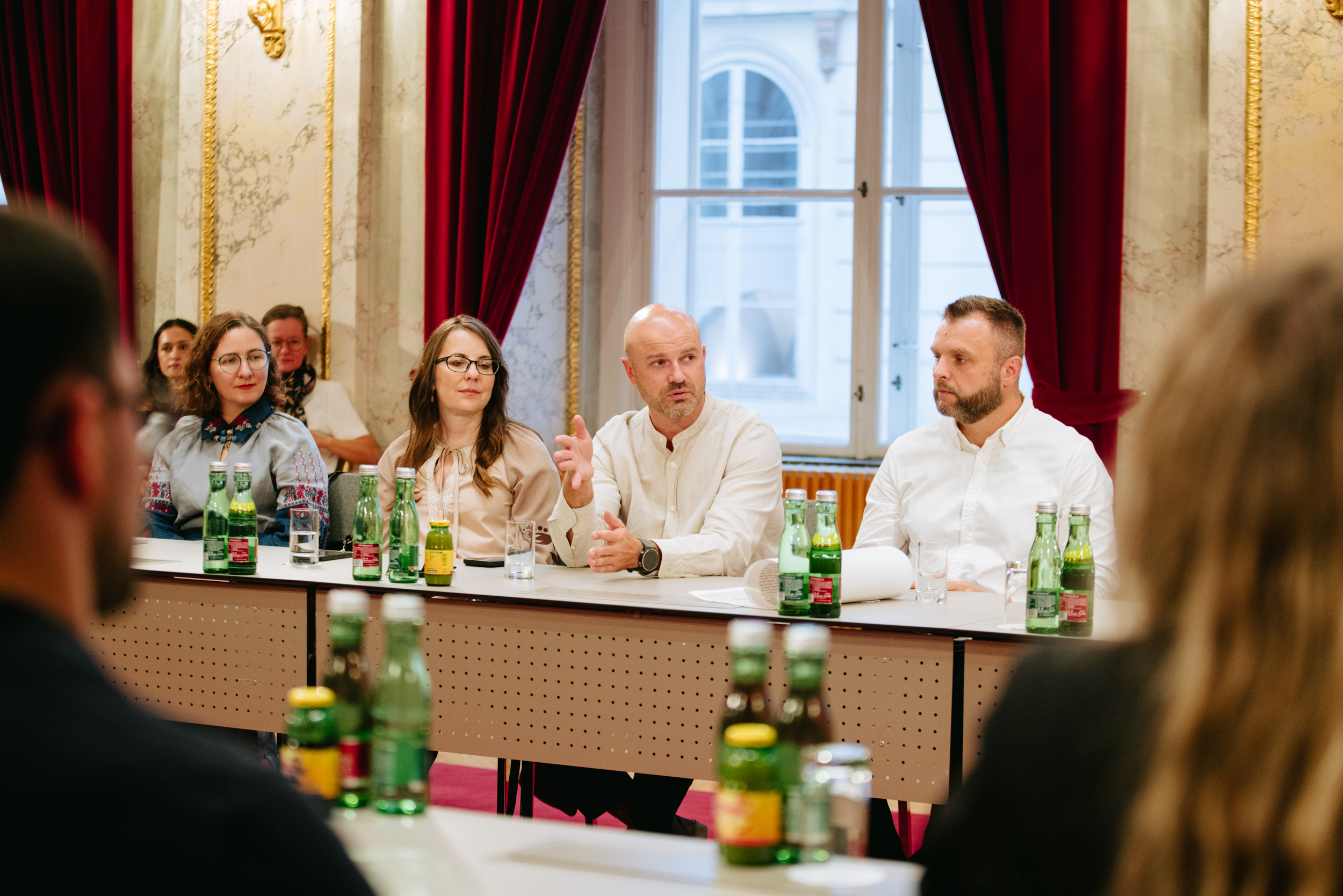
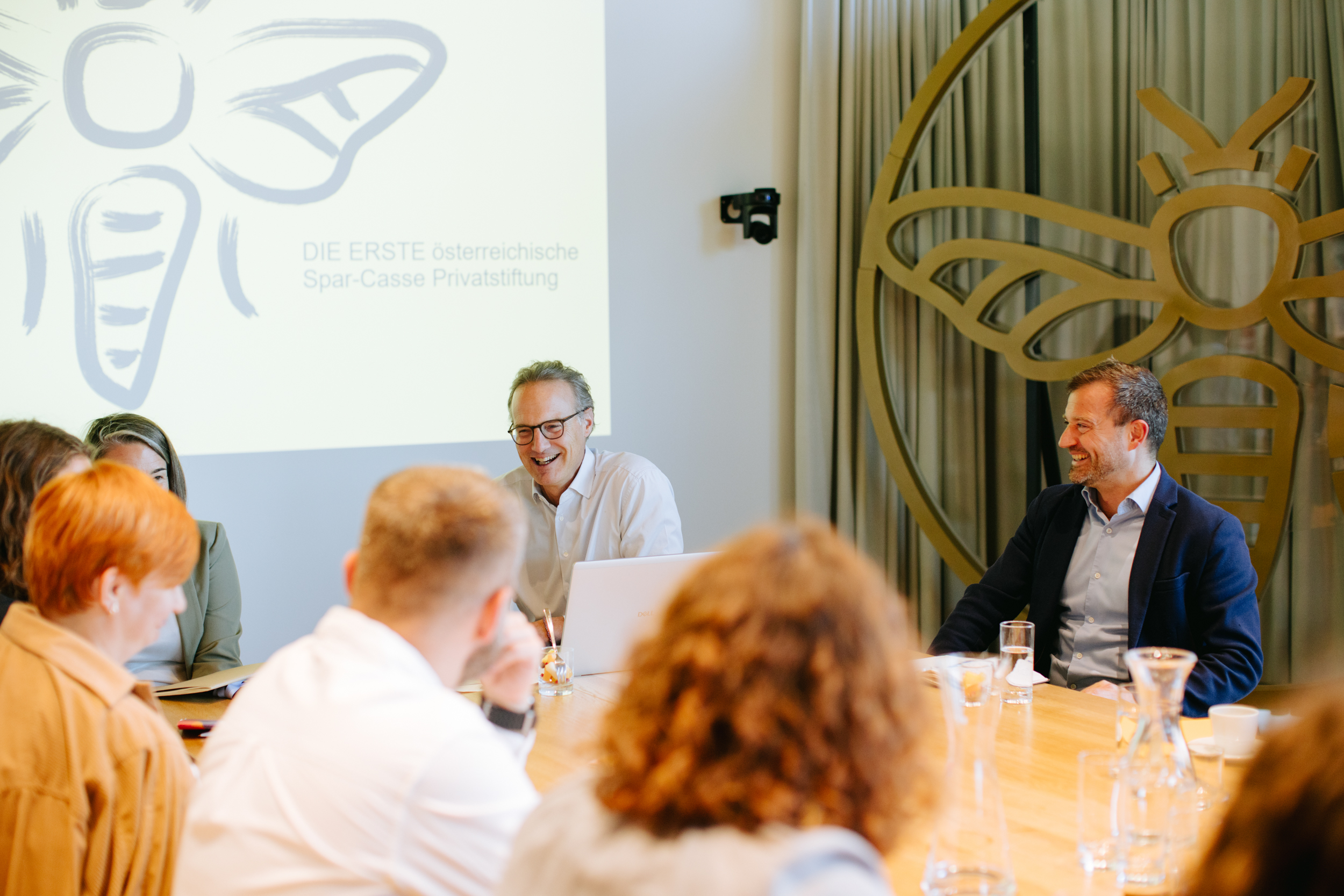
Our last day of the in-person phase was a noteworthy one: After weaving their learnings together and making concrete plans for next steps, participants visited ERSTE Foundation, where Deputy CEO Philipp Thurn und Taxis and colleagues welcomed them for an exchange.

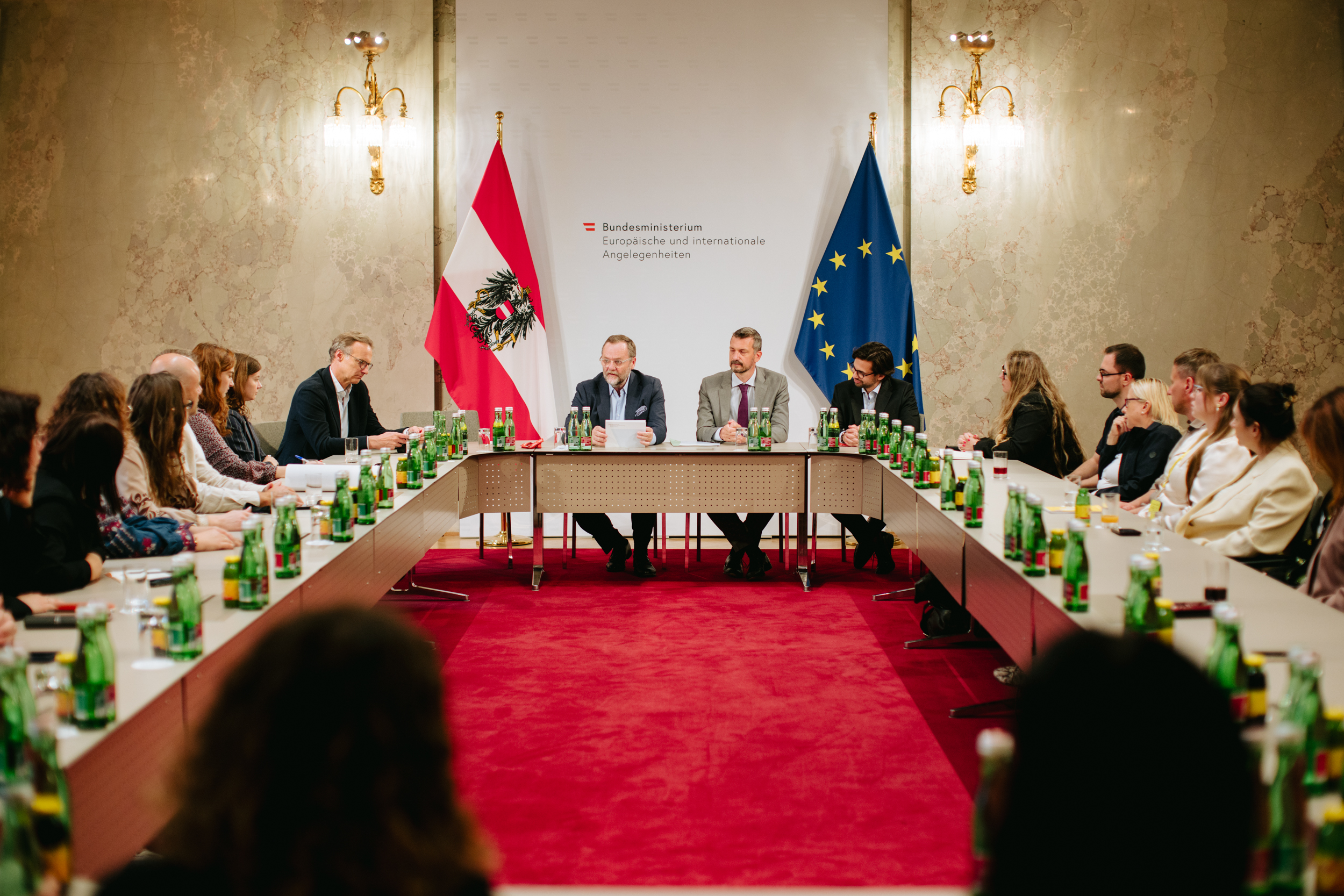
In the afternoon, the group continued to the Austrian Federal Ministry for European and International Affairs. State Secretary Josef Schellhorn took an hour of his time to listen to participants’ thoughts and concerns, offering a valuable opportunity for direct exchange.

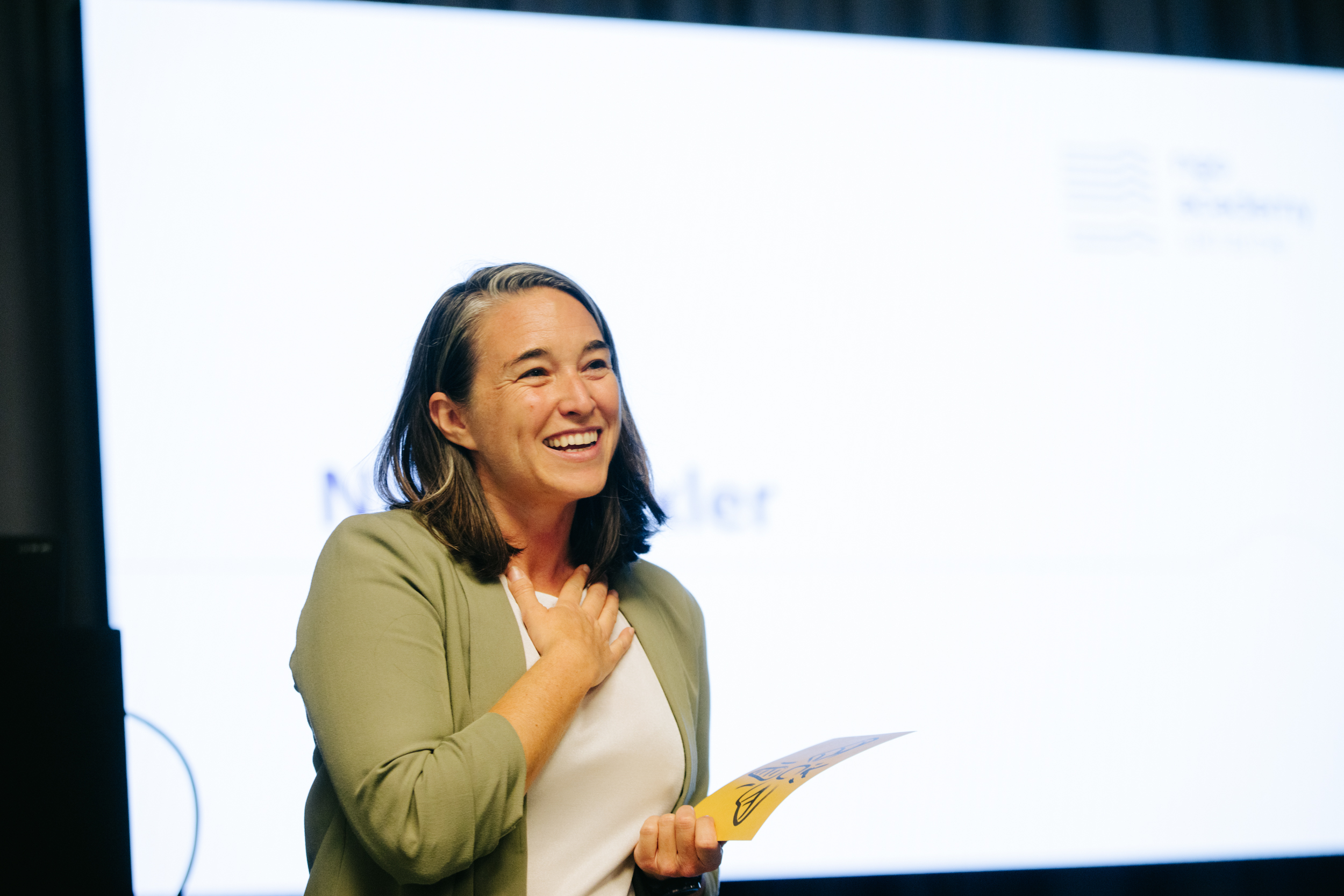
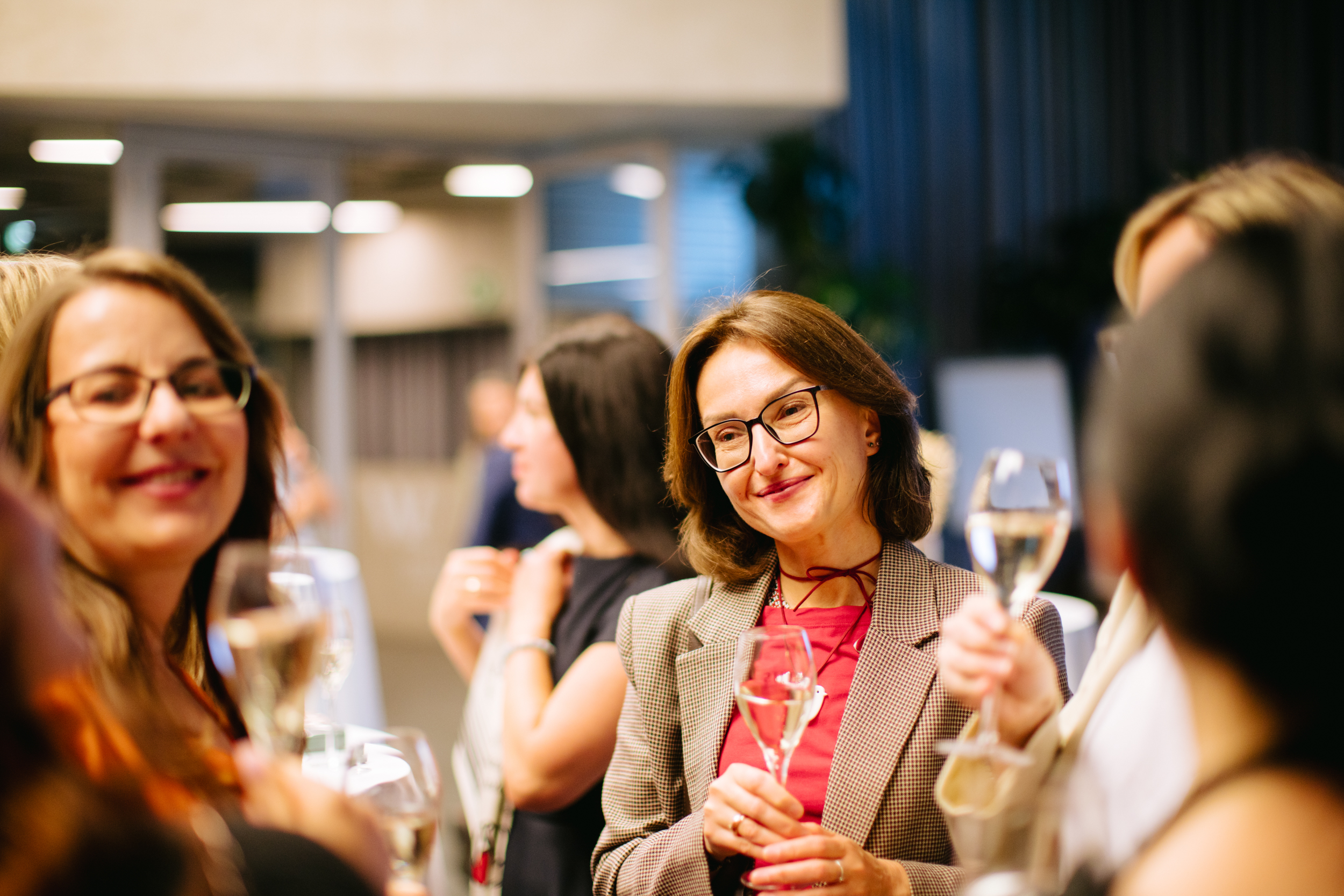
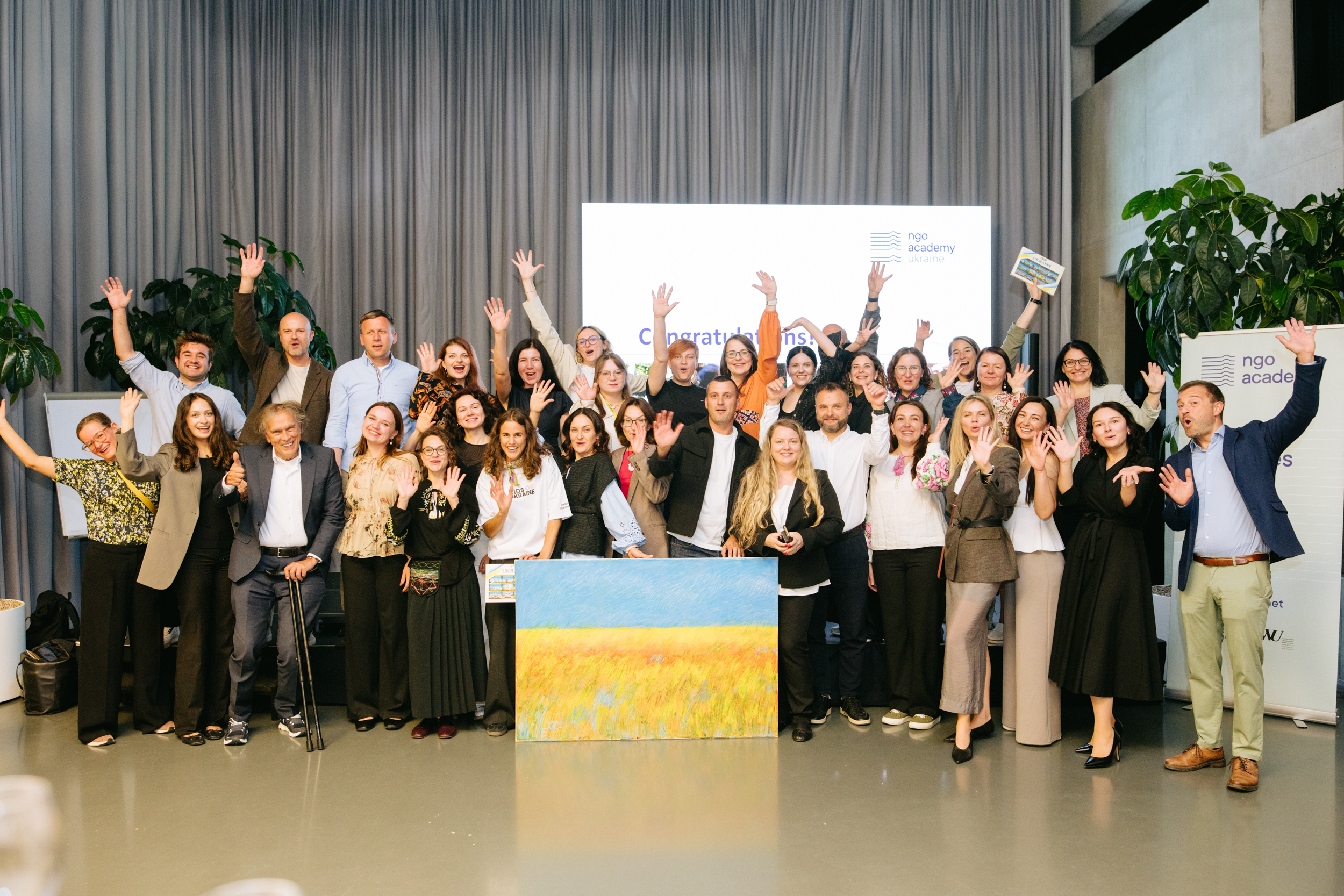
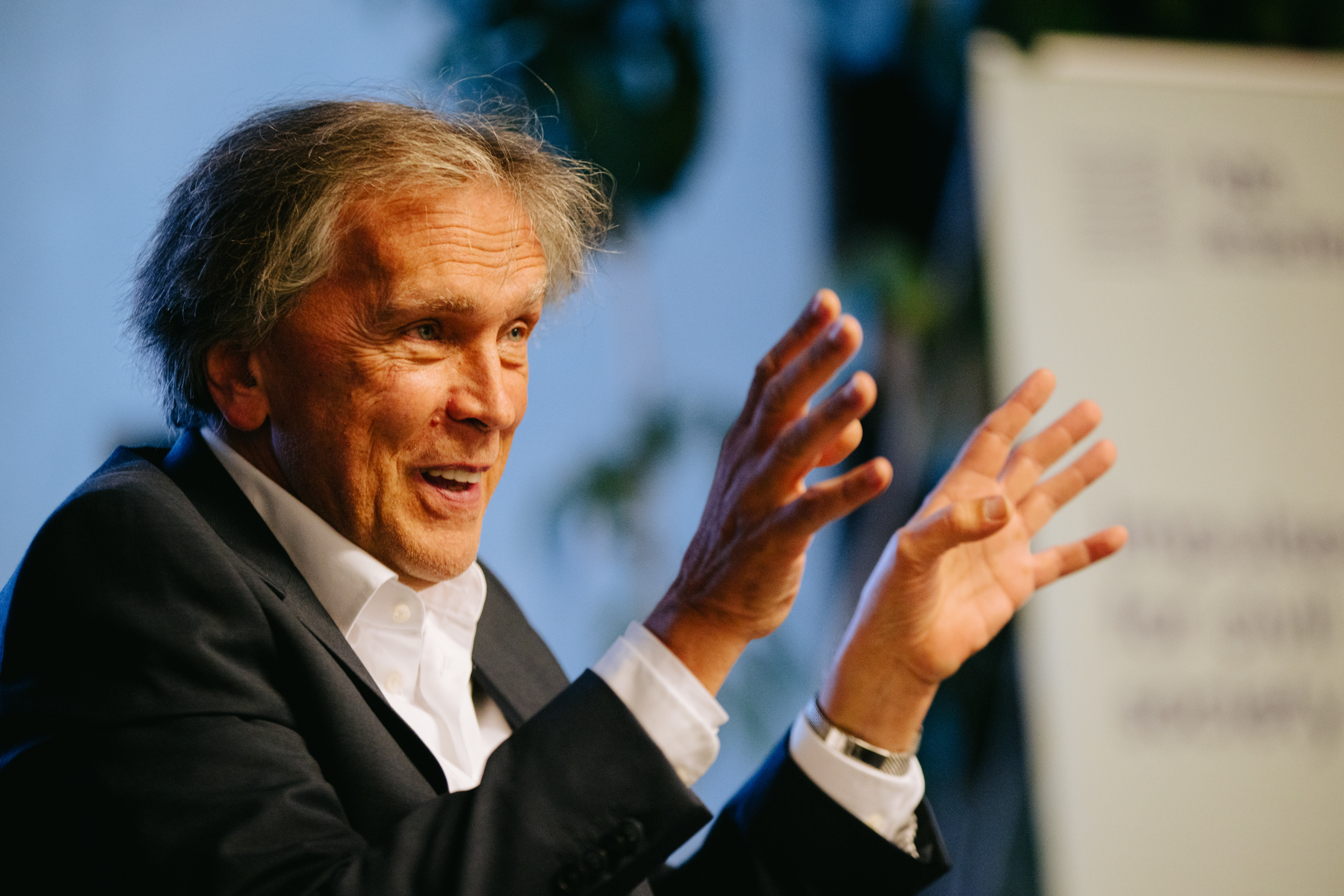
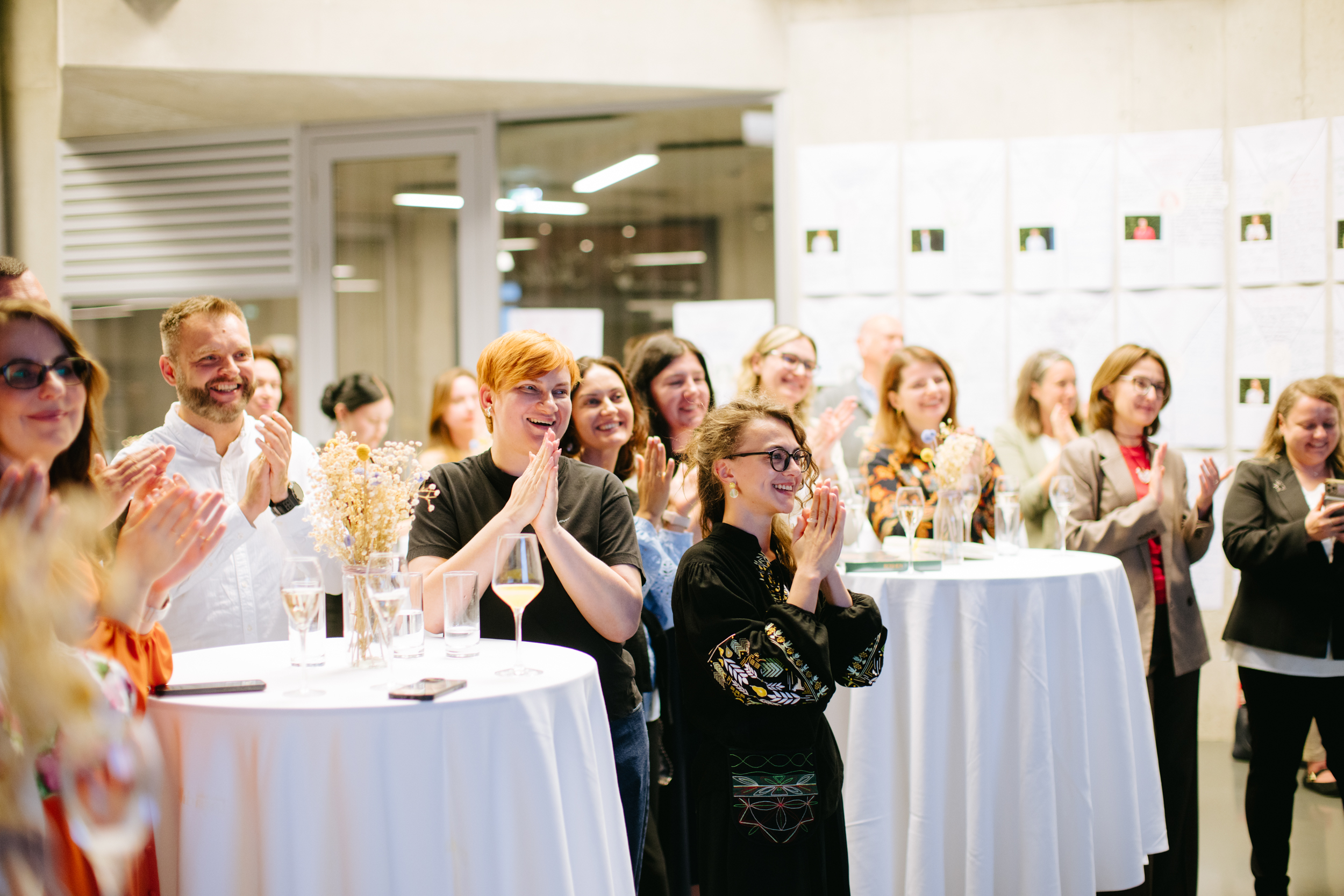
The evening was dedicated to celebrating what the cohort had already achieved. Ambassador Emil Brix gave a closing speech, joined by representatives of ERSTE Foundation and WU Vienna. Participants received their certificates before the day ended with food, drinks and informal conversations.

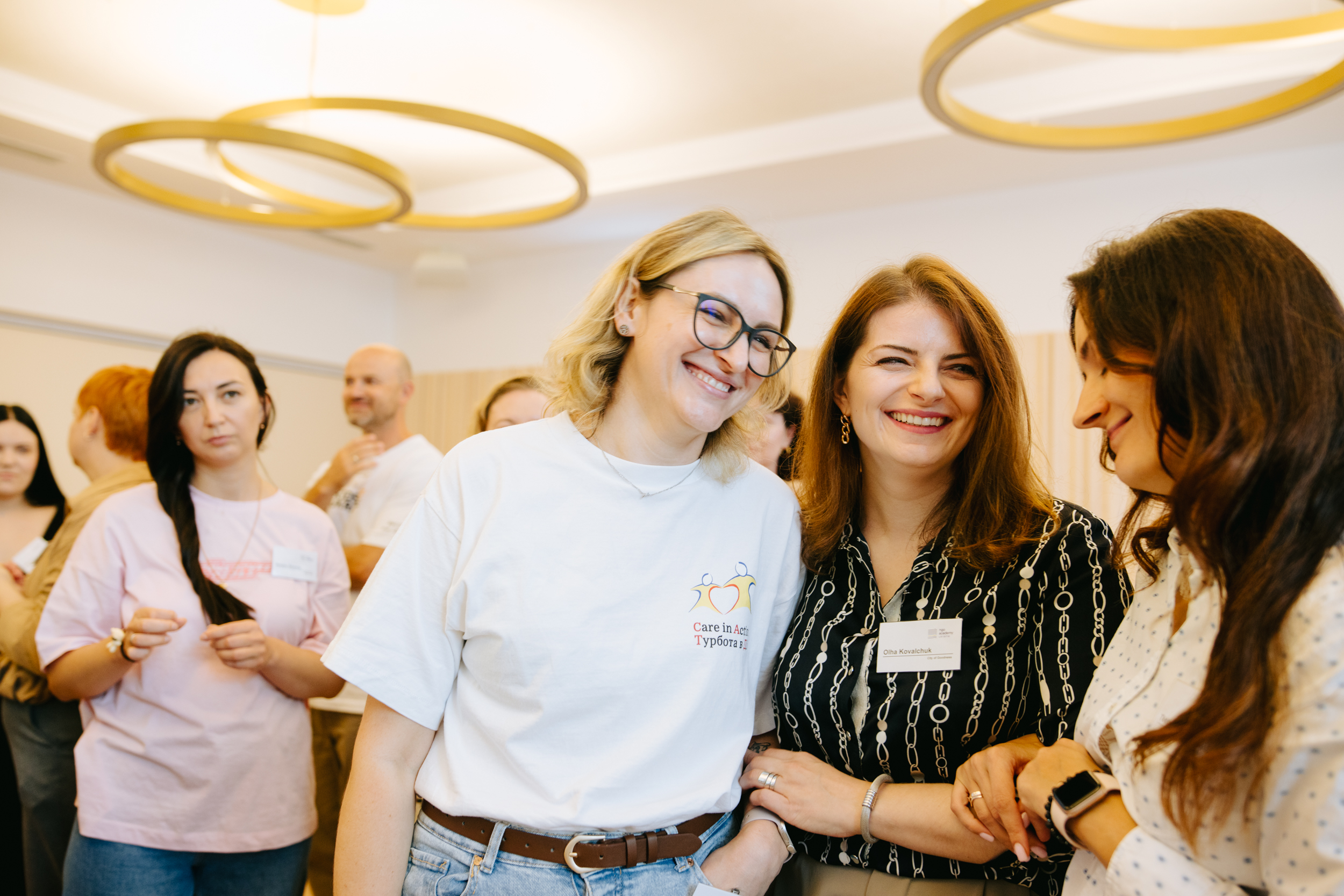
We’ve again been stunned by the impressive individuals of this cohort. Despite the cruel war waging in their country, participants work relentlessly to support children and veterans to survivors of violence, civilians in captivity, journalists, rural women and frontline communities, through protection, justice, education, healthcare and humanitarian aid. From Lviv to Kharkiv, this group truly fights for Ukraine’s future.

This programme would not have been possible without the openness and commitment of the participants, the faculty who shared their knowledge, and the partners who opened their doors: ERSTE Foundation, the Federal Ministry for European and International Affairs, and WU Vienna. A heartful thank you goes out to all those mentioned individuals and organisations!

And luckily, this is not the end, but the start of a network. The journey continues with the online parts of the programme, and we look forward to seeing the ideas developed in Austria grow into impact back home.